|
Length |
150 mm |
|
Total Length |
300 mm |
|
Steel |
Aogami (Blue #2) |
|
Handle |
Walnut |
|
Ferrule |
Wenge |
|
Rockwell |
62-63 |
|
Height Spine to heel |
35 mm |
|
Width at Spine |
2.8 mm |
|
Weight |
122 grams |
|
Bevel |
Double(50/50) |
The Blacksmith
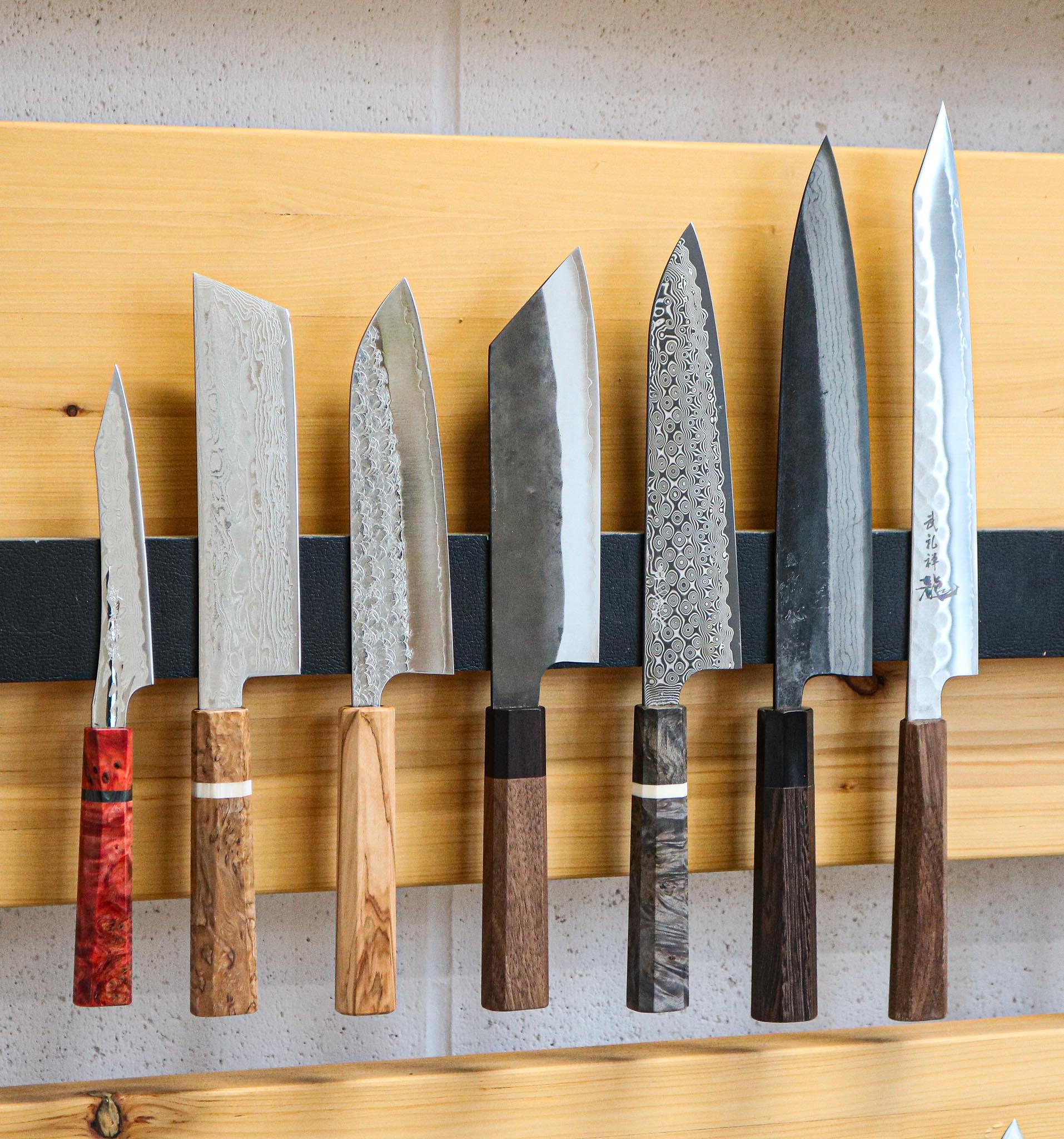
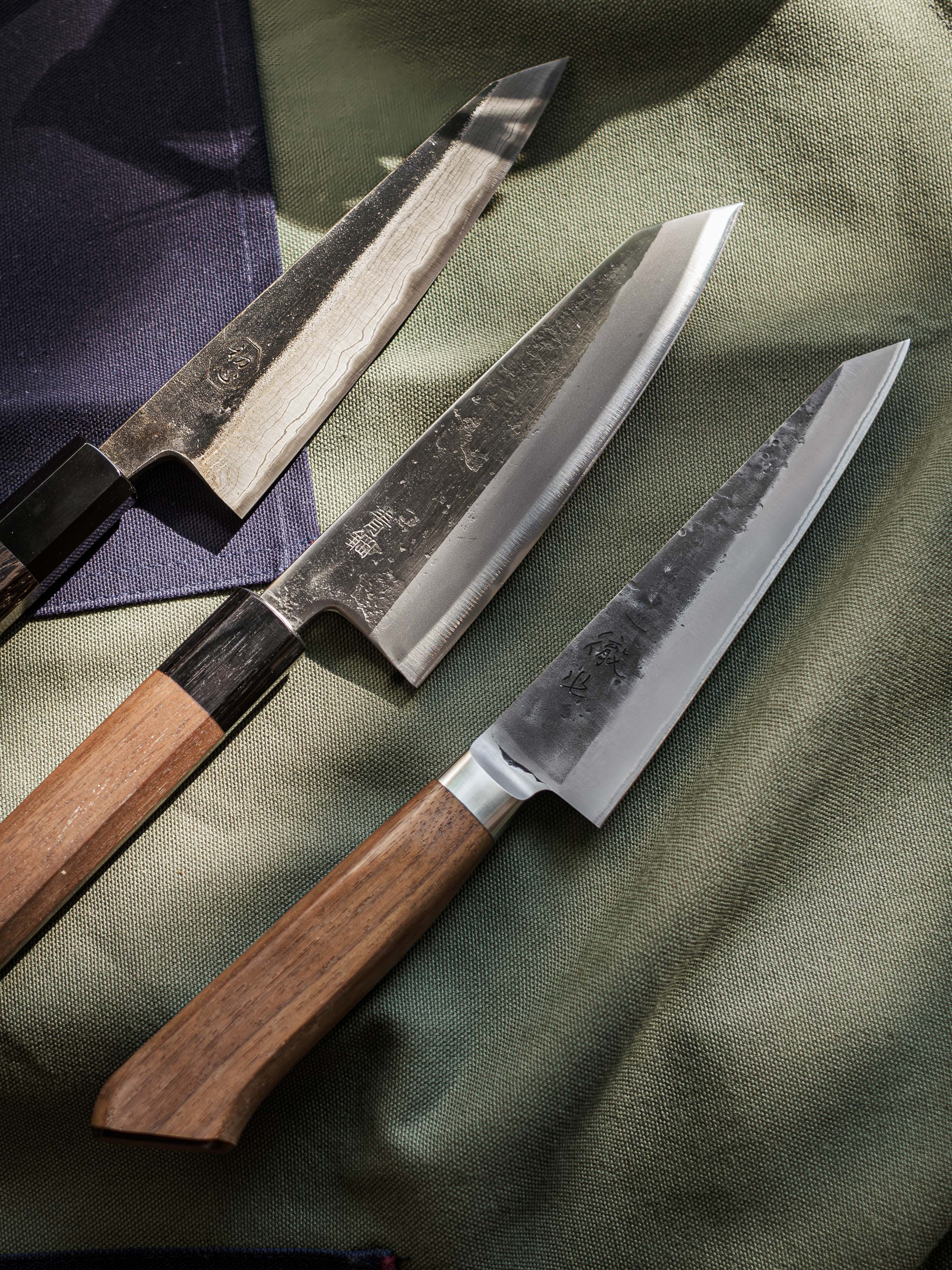
Kenshiro Hatono is a young and very talented smith who has been working as an apprentice under Katsuyasu Kamo in the Takefu knife village for the past 6 years. He has recently started to deliver the first batch of knives made under his own name and we are beyond excited to have these incredible blades available in our shop. If you've been waiting to get your hands on a knife from Shiro Kamo, we highly recommend considering these as well. They have a taller blade than the offerings from Shiro Kamo which allows Hatono-san to put some killer grinds on them. Nice and then behind the edge which gently transitions to the thin spine, giving these knives an incredible cutting feel.
The Shape
The Honesuki is designed specifically for poultry butchery, but can be used for a wide variety of butchery tasks. The "reverse tanto" or "K-tip" is ideal for getting in and around joints and bones. Though we do not recommend cutting through bone with any Japanese knife, the honesuki’s thickness in the spine and behind the edge makes it less likely to suffer damage if you nick a bone by accident. If you're looking for a knife that can handle butchery and vegetable prep, consider a petty. If you're looking for a knife specific to fish butchery, consider a deba.
Knife Care (Stainless Clad)
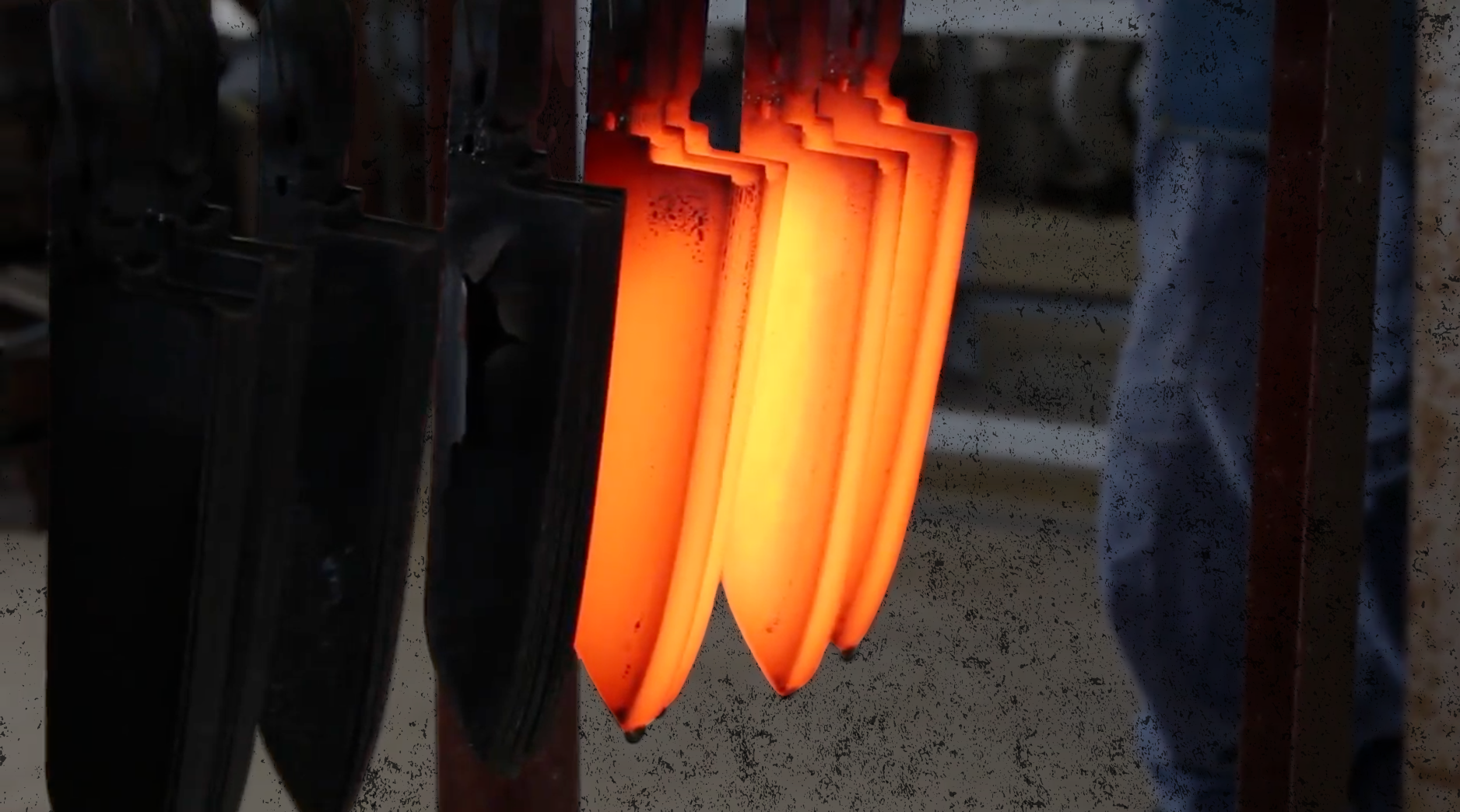
- This knife is made from 3 layers of steel using a technique called Sanmai (Forge welding). It involves laminating a piece of Carbon steel with two pieces of Stainless steel giving the knife all the benefits of the carbon steel (Edge retention, ease of sharpening, cutting feel) and the Ease of Maintenance from Stainless steel. 2-3 millimeters of the carbon steel is exposed at the edge of the knife and is susceptible to rust and discouloration if not properly maintained.
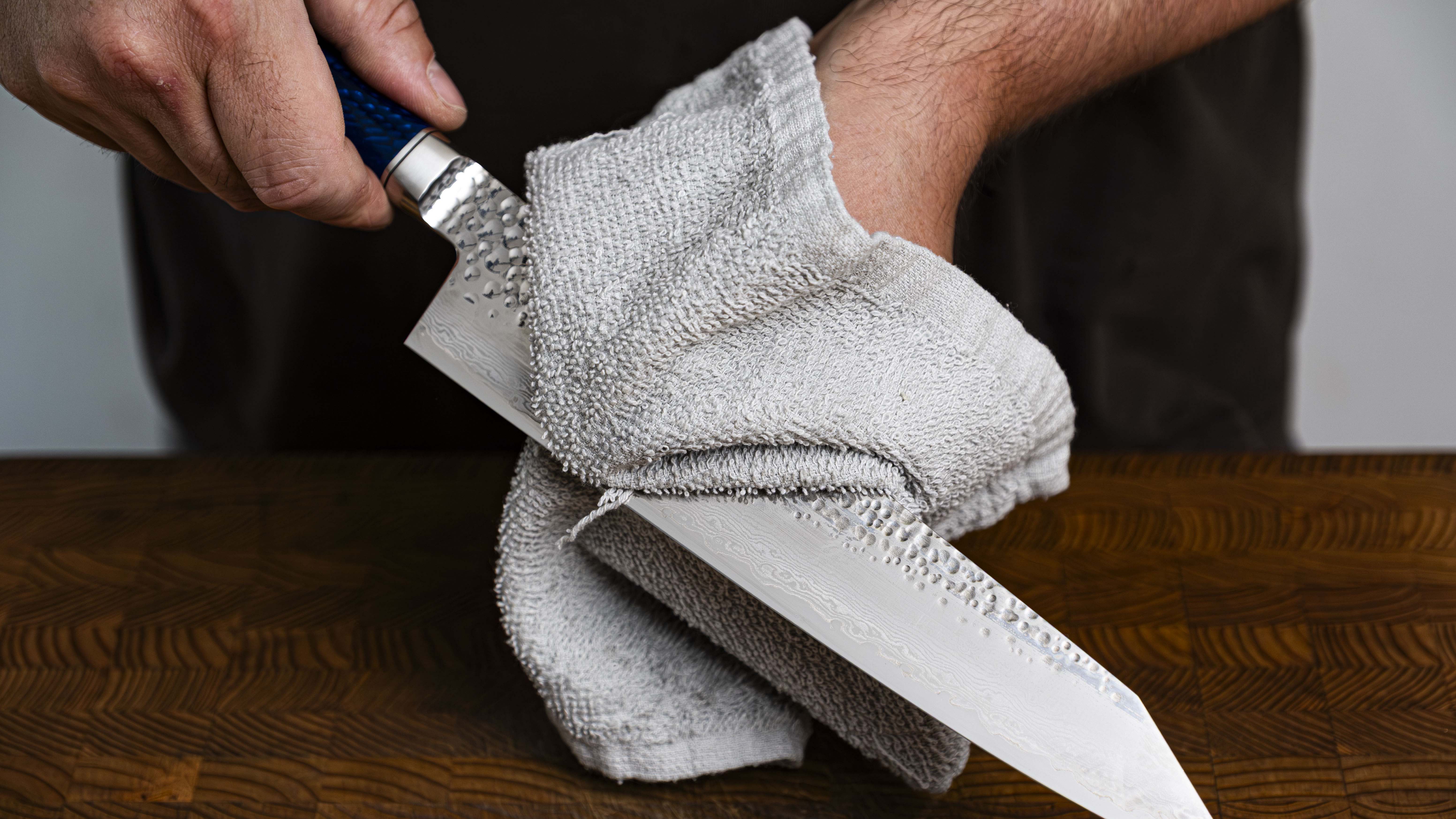
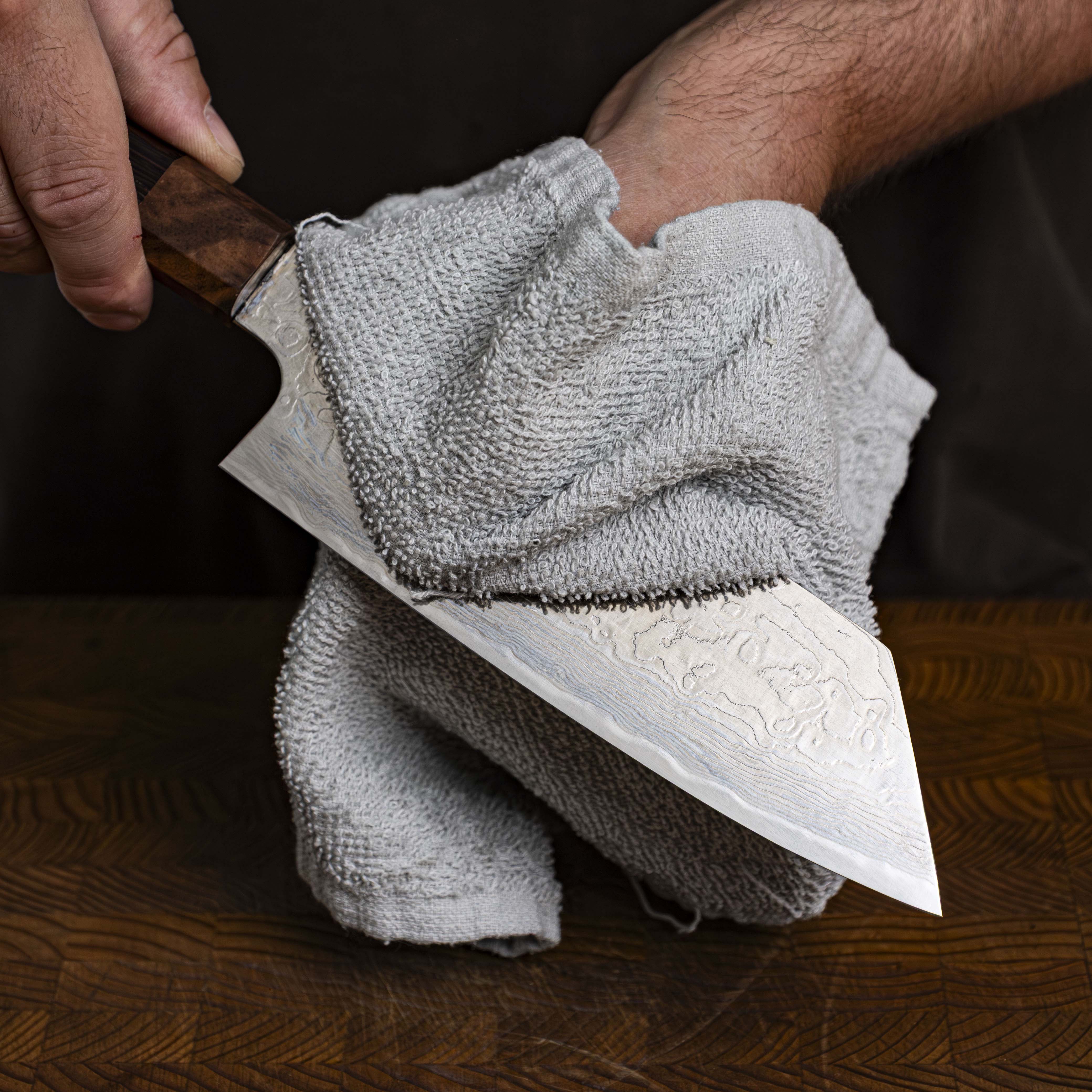
- Simply Wipe the knife with a damp cloth immediately after use to keep it from rusting or discouloring.
- Never put your knife in the Dishwasher. The extreme heat will ruin the wooden handle.
- Highly acidic ingredients (Onions, Tomatoes, Citrus) Will cause rust and oxidation to happen faster, thus the user must ensure the knife is wiped clean immediately after working with such an ingredient.
- Should any rust form it can be removed using a rust eraser or a mixture of Baking soda and water to simply scrub it clean.