Matsubara Hamono W1 Nakiri 165 mm

Price
$304.95
Taxes and shipping calculated at checkout
Only 4 left in stock!

Pickup available at Etobicoke

Usually ready in 1 hour

Check availability at other stores
SPECIFICATIONS
Blade Length  165 mm
Total Length  315 mm
Steel  Shirogami (White #1) Stainless Clad
Handle  Wallnut
Ferrule Rosewood
Rockwell 63-64
Height Spine to heel  57 mm
Width at Spine  2.6 mm
Weight  177 grams
Bevel  Double (50/50)


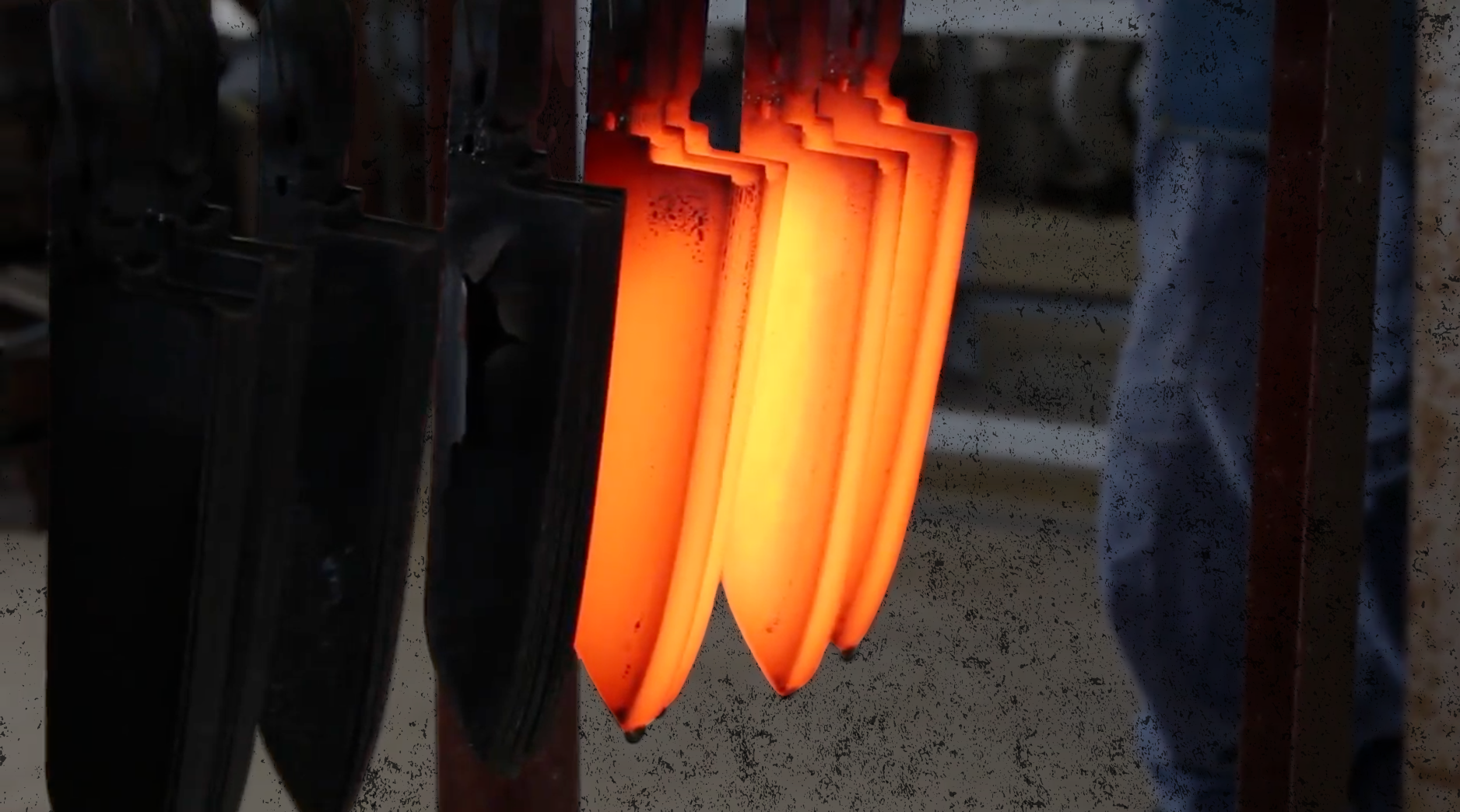
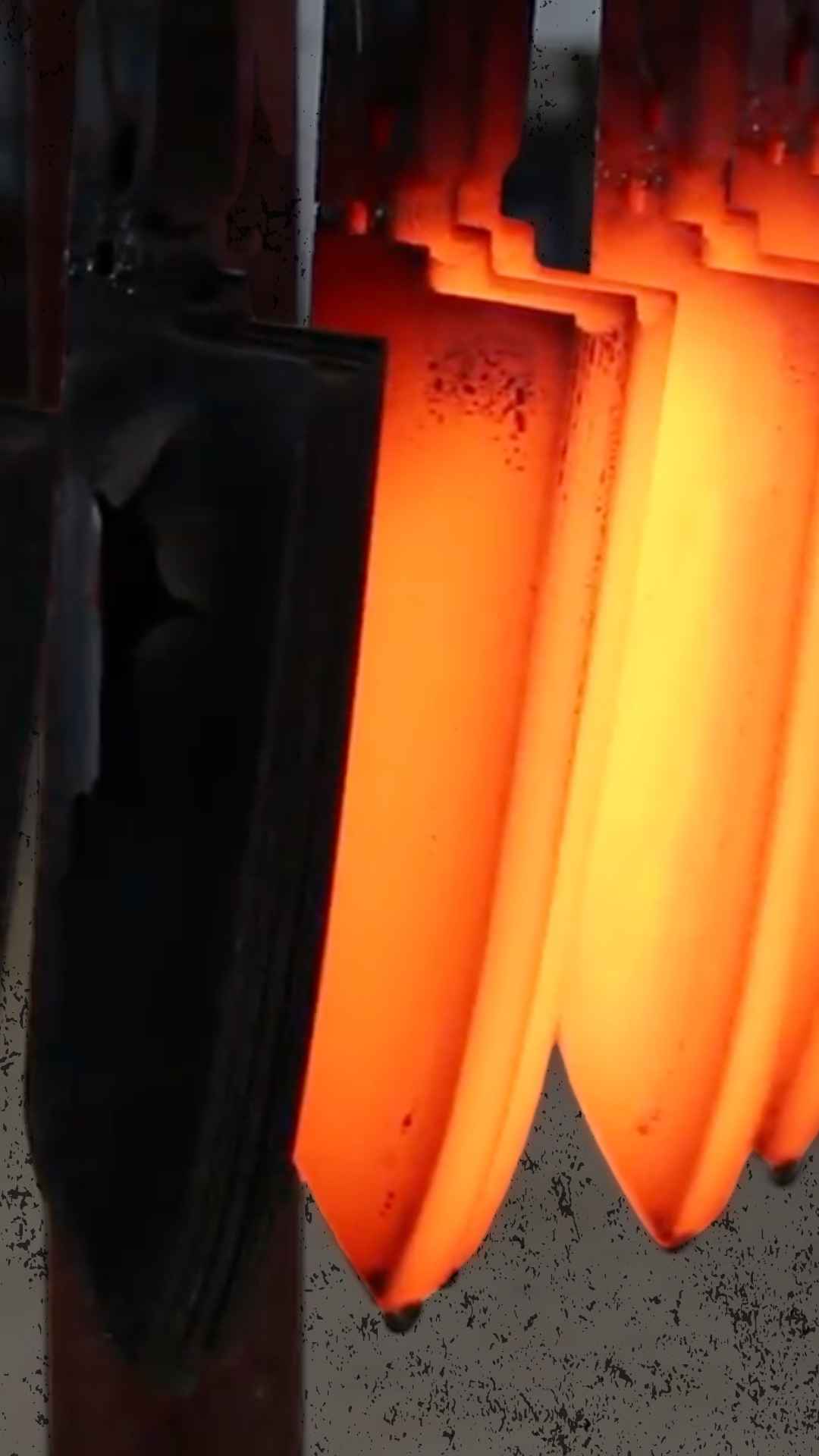
The Blacksmith

Tanaka Kama Kogyo is the current head blacksmith and owner of Matsubara Hamono and he along with his wife, son, mother and two other employees work together to produce their amazing knives. Tanakak-san is a very experience bladesmith and began his journey into knife making at only 20 years on in 1982. He and his team create beautiful and high performing knives that are sought after for their amazing heat treatment and tall blades. 

Matsubara Hamono is a long standing knife company that can trace it's roots back as far as 1185 when an ancestor of the shop Master Yukiyasu Namiohira joined the Taira clan as a sword maker. The Taira clan was defeated by the Minamoto clan during the battle of Dannoura but Naminohira-san was able to escape and flee to Hyuga (Modern day Miyazaki prefecture) to continue his craft. During the civil war period at the end of the 15th century to the end of the 16th century, Swords were in high demand and the descendants of Naminohiro-san were busy supplying various Daimo with these blades. It was during this time that one of these descendants moved to Matsubara from Hyuga and in addition to making swords started to make sickles for farmers. 

The Shape

The Nakiri is designed for vegetable chopping. It has a flat profile (less curved blade) that helps the knife make consistent contact with the cutting board when using an up and down chopping motion, helping to avoid pesky accordions of stuck together ingredients. Any well rounded kit should contain a Nakiri, but if this is your first knife you might consider a Gyuto, Santoku or Bunka, as their pointed tips makes them more versatile. 


Knife Care (Stainless Clad)

  • This knife is made from 3 layers of steel using a technique called Sanmai (Forge welding). It involves laminating a piece of Carbon steel with two pieces of Stainless steel giving the knife all the benefits of the carbon steel (Edge retention, ease of sharpening, cutting feel) and the Ease of Maintenance from Stainless steel. 2-3 millimeters of the carbon steel is exposed at the edge of the knife and is susceptible to rust and discouloration if not properly maintained.
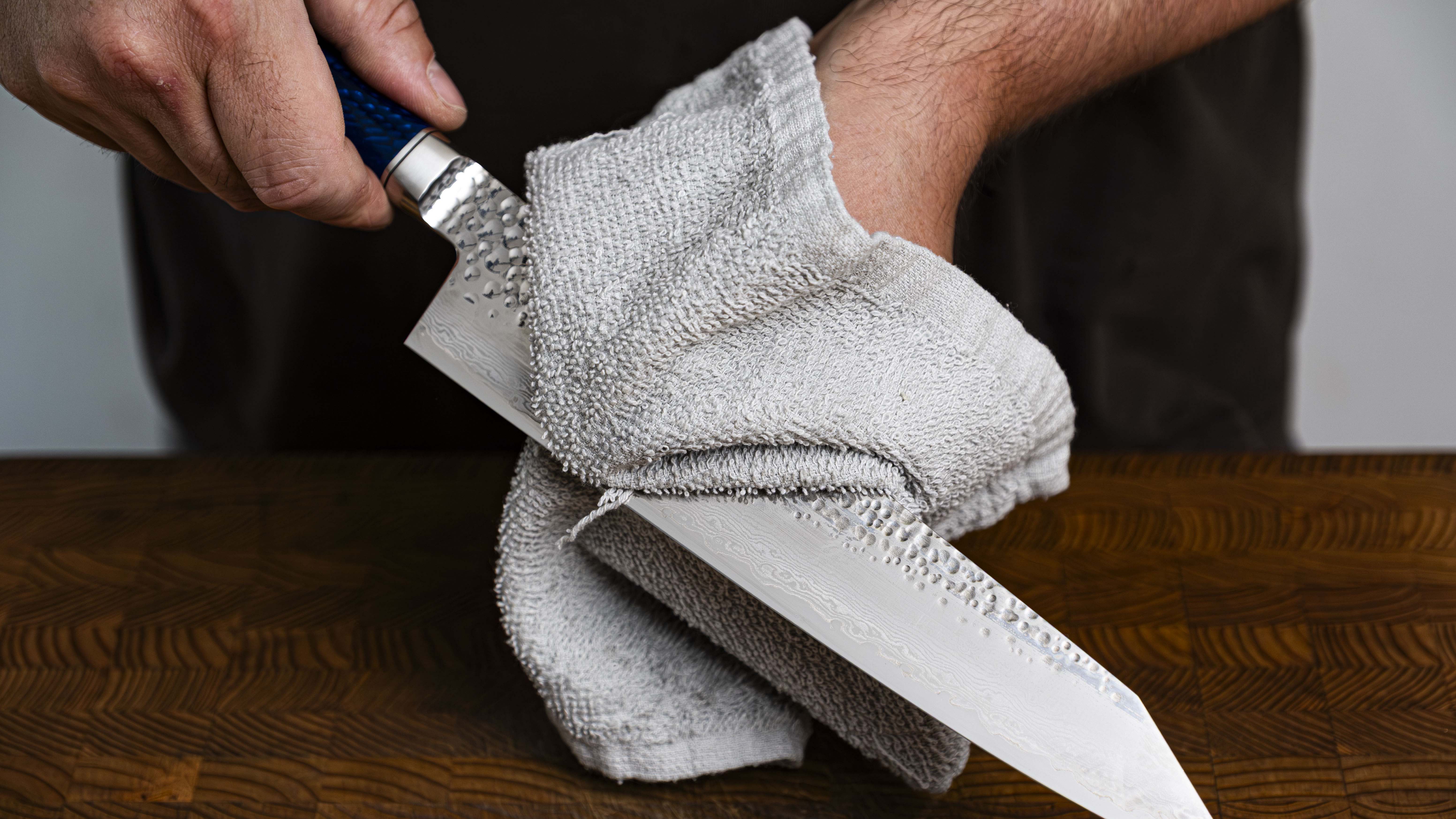
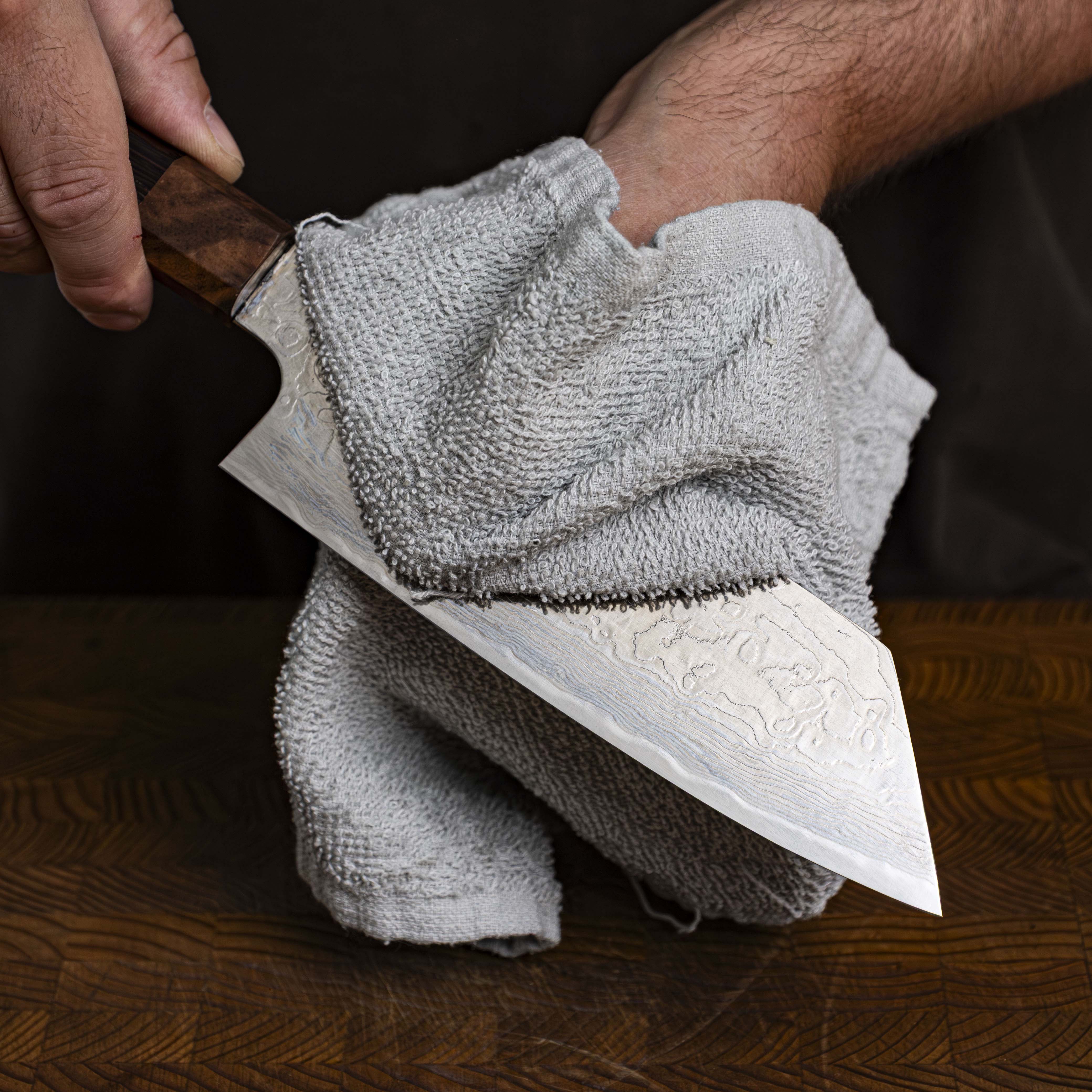
  • Simply Wipe the knife with a damp cloth immediately after use to keep it from rusting or discouloring.
  • Never put your knife in the Dishwasher. The extreme heat will ruin the wooden handle.
  • Highly acidic ingredients (Onions, Tomatoes, Citrus) Will cause rust and oxidation to happen faster, thus the user must ensure the knife is wiped clean immediately after working with such an ingredient.
  • Should any rust form it can be removed using a rust eraser or a mixture of Baking soda and water to simply scrub it clean.
CARE INSTRUCTIONS

Follow these care recommendations for your Japanese knives to protect the edge and keep them sharp as long as possible: 

  • Do not put them in the dishwasher or soak them in water, as this may ruin the wooden handle and rust the blade. 
  • Wash with soapy water and wipe dry after each use, especially after handling acidic ingredients, to minimize the risk of rusting.  
  • Don’t cut through anything you wouldn’t bite through, like frozen foods, hard candies, or bones, as this may chip or damage the knife. 
  • Don't torque the blade, as this may chip the knife. Use it in a forward and back, up and down motion without twisting.
  • Don’t scrape the cutting board with your knife, as this will cause it to dull quickly and ruin your edge. 
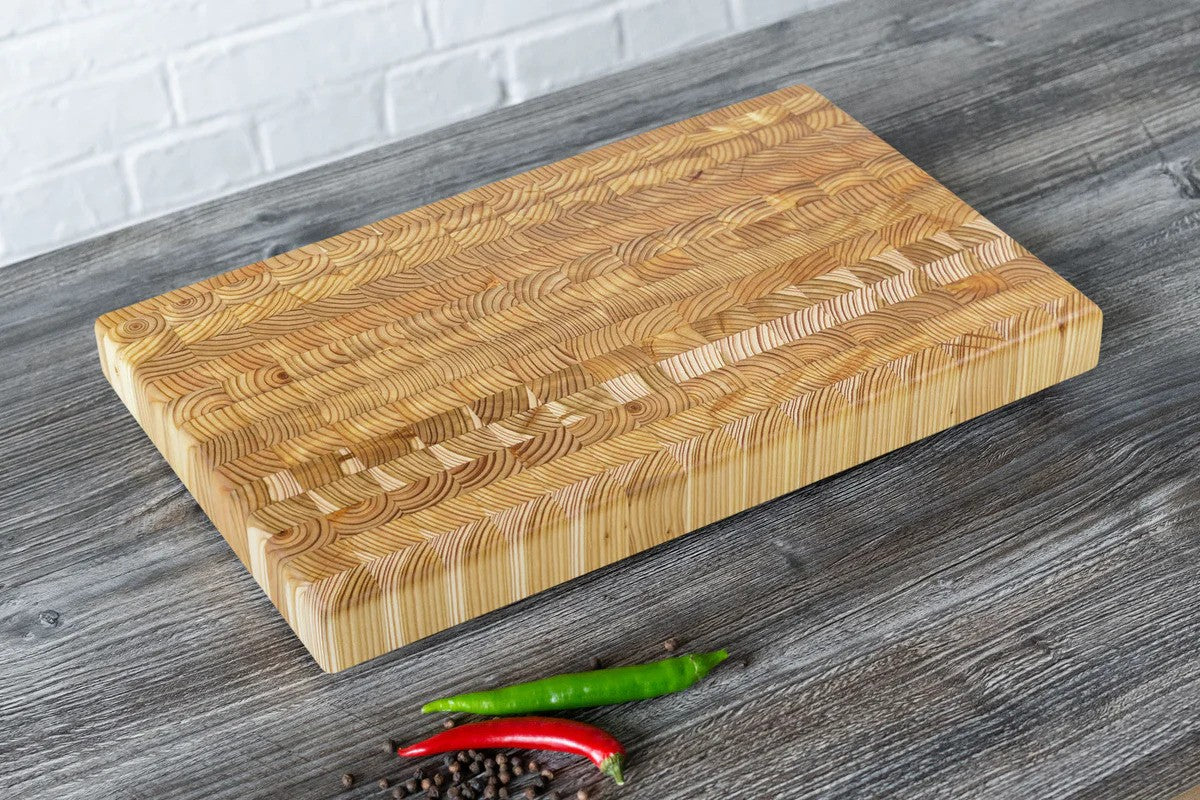
  • Use an end grain wooden cutting board or hi-soft rubberized cutting board if you can to protect your edge. Glass, bamboo, and granite are terrible materials for cutting boards, and plastic is only slightly better. 
SHIPPING & RETURNS

All products are shipped within 24 hours. We offer same day shipping for products ordered by 12pm. Please allow 4-7 business days for your shipment to arrive with standard shipping. Expedited shipping options are also available at checkout.

We offer free shipping on orders within Canada over $150 CAD and free shipping on orders to the US over $200 USD.

Curbside pick-up is available at both our Hamilton and Etobicoke locations.

To make sure our customers are always satisfied, we offer full refunds on products for 14 days after receiving them. See our full return policy for details.

More questions? Check out our shipping policy, our return policy, or reach out to us directly.

KNIFE SHAPE

THE NAKIRI

The Nakiri is designed for vegetable chopping. It has a flat profile (less curved blade) that helps the knife make consistent contact with the cutting board when using an up and down chopping motion, helping to avoid pesky accordions of stuck together ingredients. Any well rounded kit should contain a Nakiri, but if this is your first knife you might consider a Gyuto, Santoku or Bunka, as their pointed tips makes them more versatile.

STEEL TYPE

SHIROGAMI #1

AKA White #1: This steel type is very similar to Shirogami #2 but has added levels of carbon allowing it to achieve a slightly higher rockwell hardness, contributing to better edge retention. This does make the steel a bit more brittle and prone to chipping. It is very easy to sharpen and polish and because of its fine grain structure can achieve a super sharp edge.

Chemical Composition:
C 1.25-1.35%

COMPOSITION

STAINLESS CLAD

MODERATE MAINTENANCE

Stainless clad knives have two softer outer layers of stainless steel around a harder core layer of carbon steel. The clad line (wavy line near the cutting edge of the knife) is where the layers of stainless steel end. Past this point, the exposed carbon steel is susceptible to rust or discoloration. This edge will develop a patina (a darkening of the steel; blue, dark grey, sometimes black colouration of the blade) no matter how well they are cared for. Stainless clad knives are great for those who want the easy sharpening of a carbon steel coupled with the rust resistant properties of stainless steel.

THE BLACKSMITH

MATSUBARA HAMONO

Tanaka Kama Kogyo is the leader of the Matsubara hamono workshop and directs a small team of 5 employees and his son in the Nagasaki region of Japan. He forge welds steel to make his knives, which is becoming a rarity even among skilled blacksmiths in Japan. Each blade is unique, as head Blacksmith, Katsuto Tanaka-san, hand forges using traditional techniques. The family also has a history in sword-making and tool making.

RECENTLY VIEWED

RECOMMENDED FOR YOU

REVIEWS