| Blade Length |
215 mm |
| Total Length |
370 mm |
| Steel |
Shirogami (White #2) |
| Handle |
Ebony |
| Ferrule |
Buffalo Horn |
| Rockwell |
61-62 |
| Height Spine to heel |
53-60mm |
| Width at Spine |
2.3 mm |
| Weight |
218 grams |
| Bevel |
Double (50/50) |
The Blacksmith
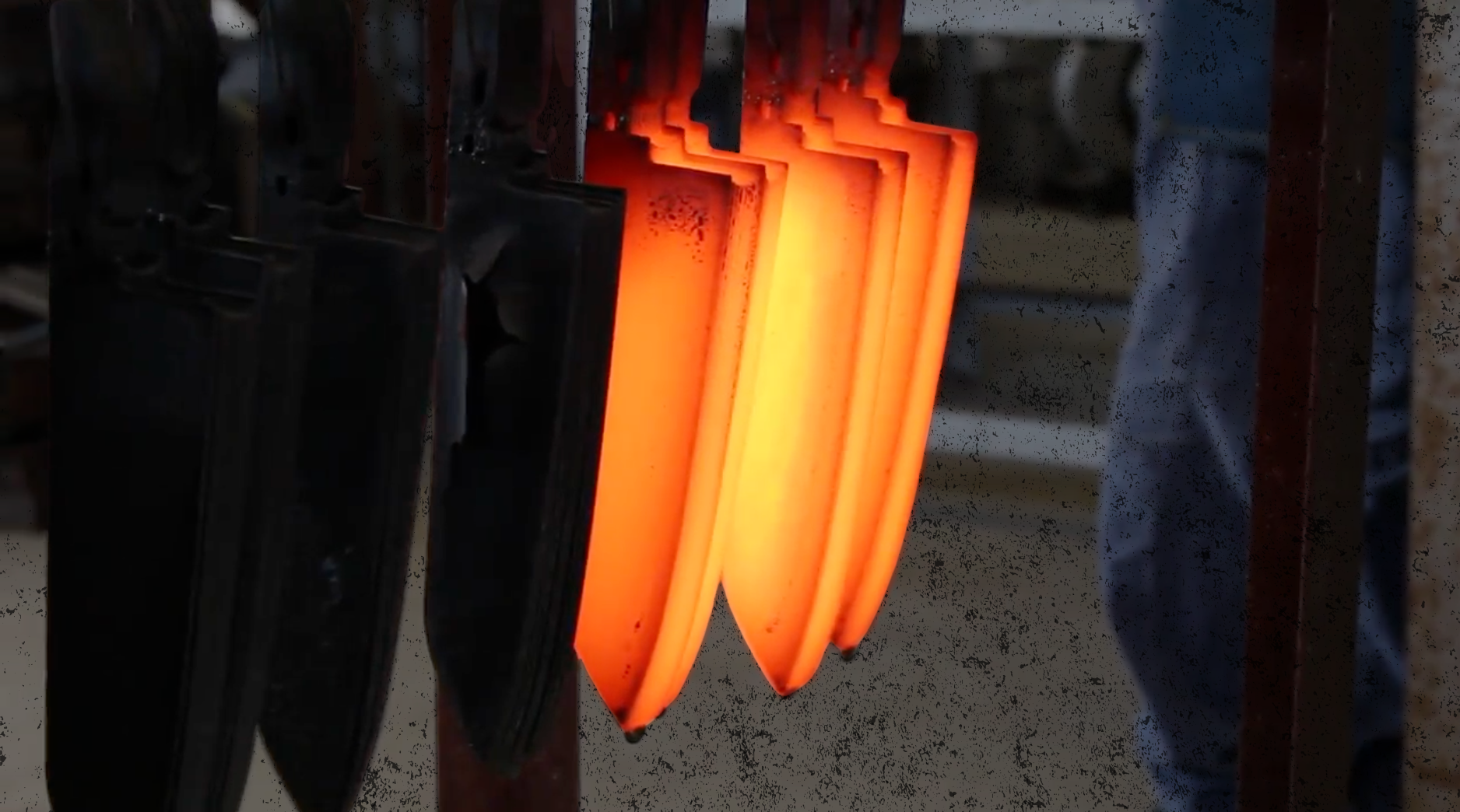
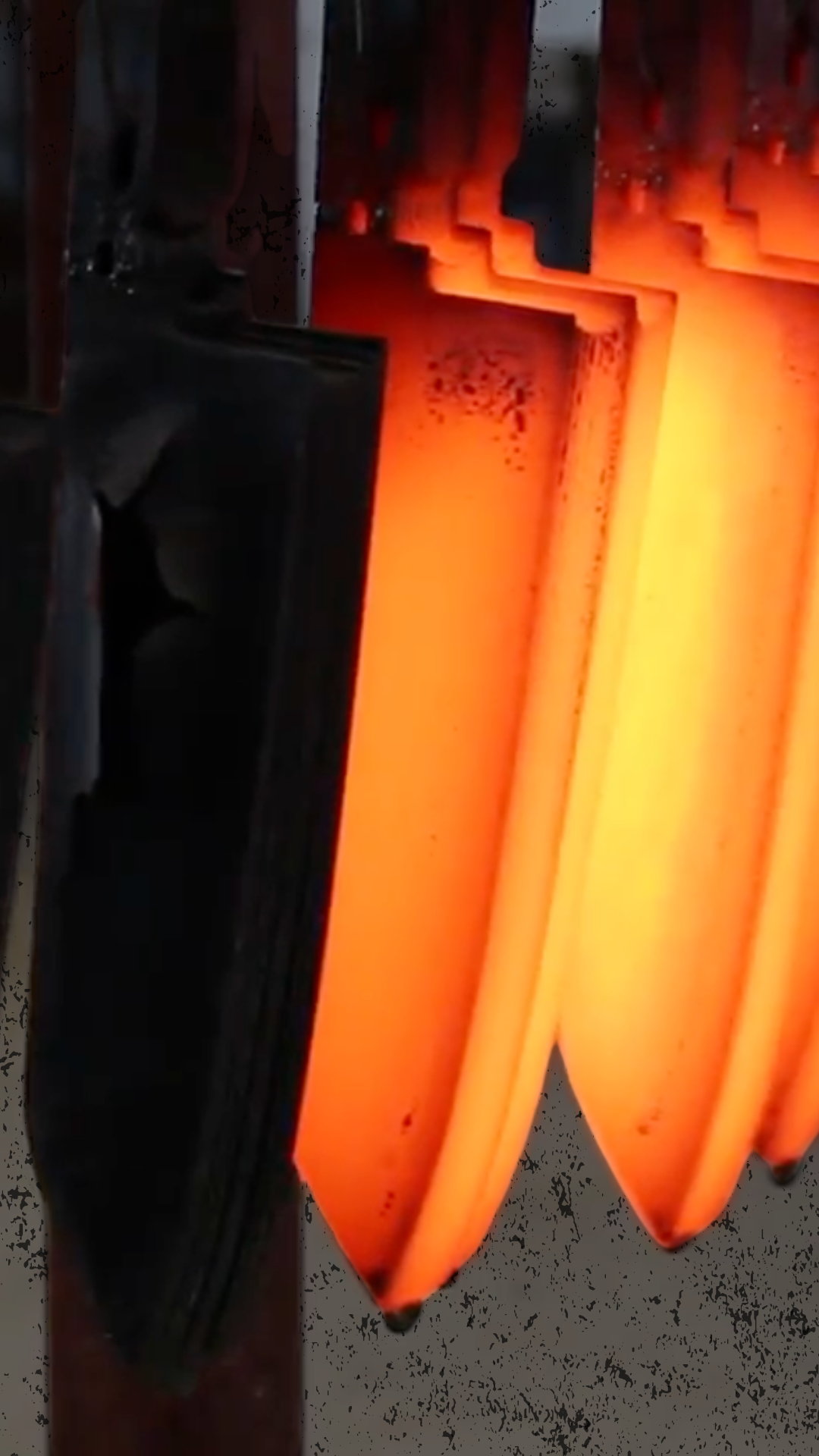
Mutsumi Hinoura-san is the son of legendary blacksmith Tsukasa Hinoura-san and is becoming a bit of a legend in his own right! Having been trained by such a highly skilled smith, Hinoura-sans knives are of incredible quality and performance. He works out of a shop in the Sanjo region and his knives adhere to the styling of many of the other smiths that work in this area. They are a bit thick at the spine where handle and tang come together but gradually get paper thin behind the edge. This blade geometry provides an incredible cutting feel and also provides what we feel is an incredibly comfortable feel in the hand and means the blades have a bit more weight to them than what might be considered "normal". The balance point on these blades is quite far forward which we find really comfortable as it makes the knife feel more like it's pulling itself through ingredients.
The Shape
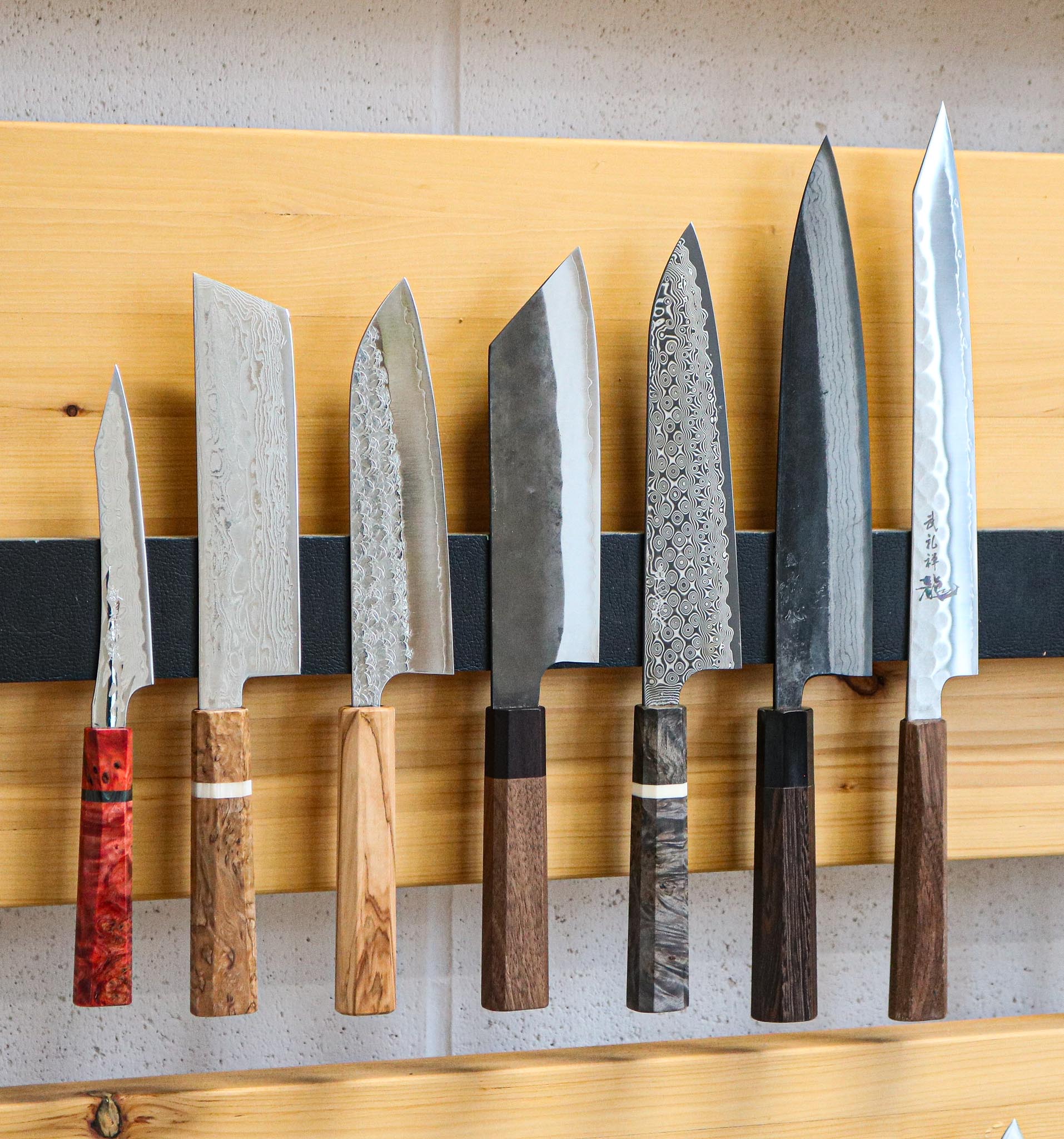
Introducing the traditional Hakata Knife (Hakata-bocho)—the ultimate multi-purpose Japanese kitchen workhorse designed for culinary precision. Originating from Fukuoka, this exceptional blade merges the versatility of an all-purpose knife with a striking, high-performance geometry. It features a distinctly arched spine for balanced weight distribution, a flat cutting edge optimized for effortless tap-chopping, and an aggressive, angular "K-tip" (reverse tanto) engineered for ultra-precise detail work and intricate slicing. Typically forged in an agile 165mm to 180mm length, the Hakata is the perfect aesthetic and functional upgrade for passionate chefs and home cooks looking to elevate their vegetable prep, meat slicing, and delicate scoring tasks.
Knife Care (Iron Clad)
- This Knife is made from 3 layers of material; A layer of iron on each side protecting a layer of carbon steel at the core, in a process referred to as Sanmai or forge welding. Iron and carbon steel are both susceptible to rust and must be kept dry and clean at all time’s to avoid oxidation and discolouration.
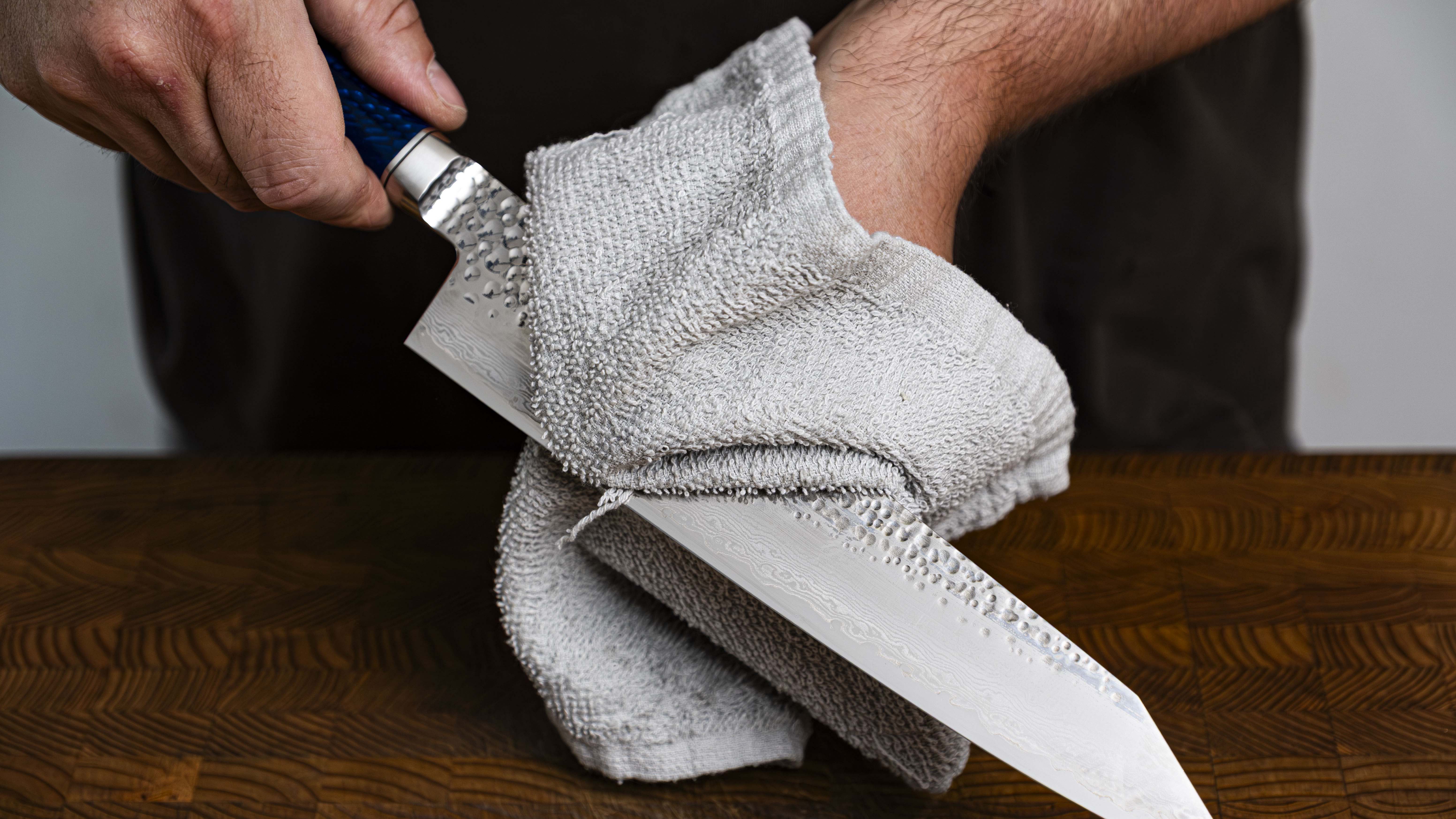
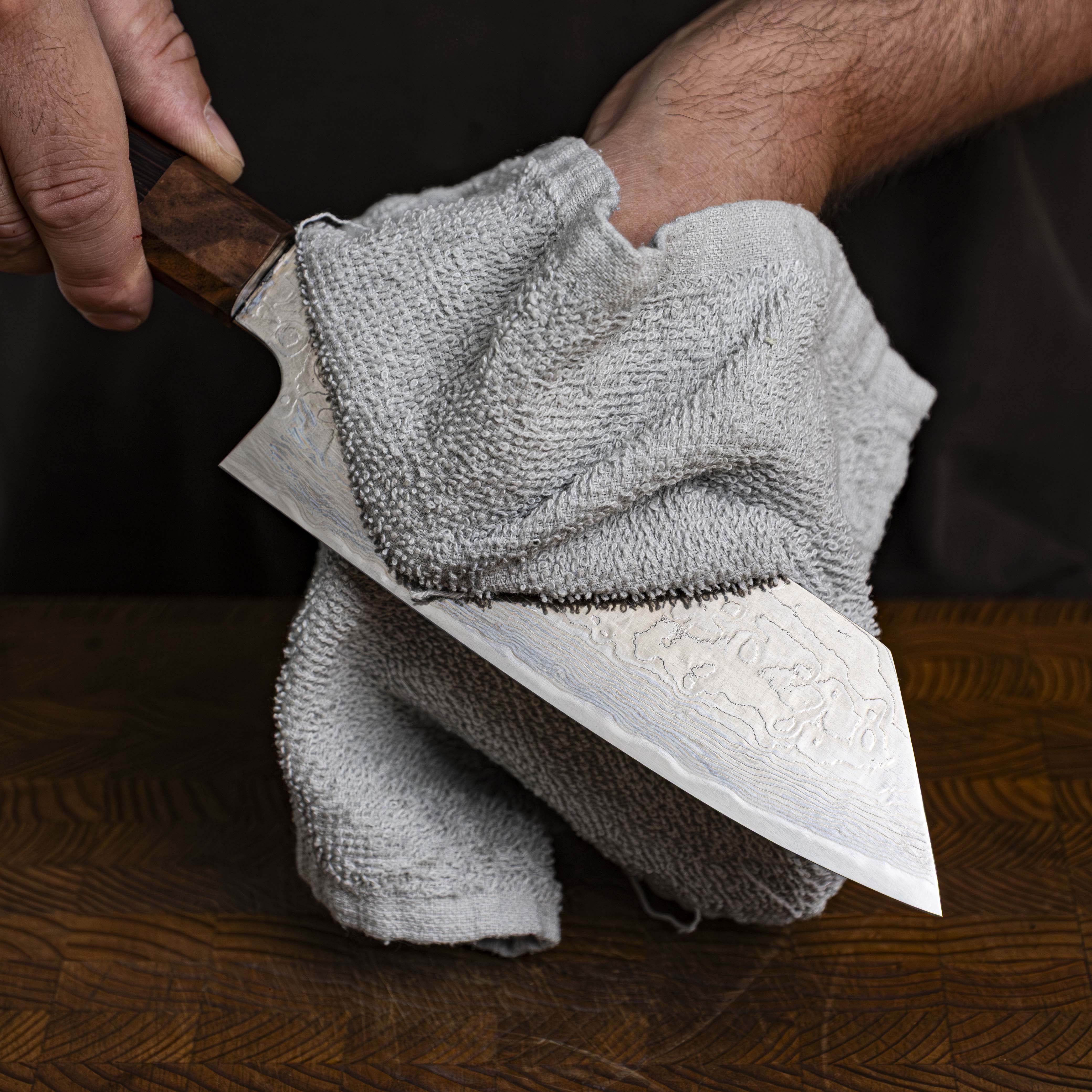
- Simply wipe the knife with a damp cloth immediately after use.
- Wash with regular dish soap and warm water using a none abrasive sponge or cloth.
- Never put your knife in the dishwasher! The extreme heat will ruin the wooden handle.
- Highly acidic ingredients (Onions, Tomatoes, Citrus) Will cause rust and oxidation to happen faster, thus the user must ensure the knife is wiped clean immediately after working with such an ingredient.
- Should any rust form it can be removed using a rust eraser or a mixture of Baking soda and water to simply scrub it clean.
- Avoid Bones, Frozen foods, nuts and hard candies or anything other than fruits, vegetables and proteins.