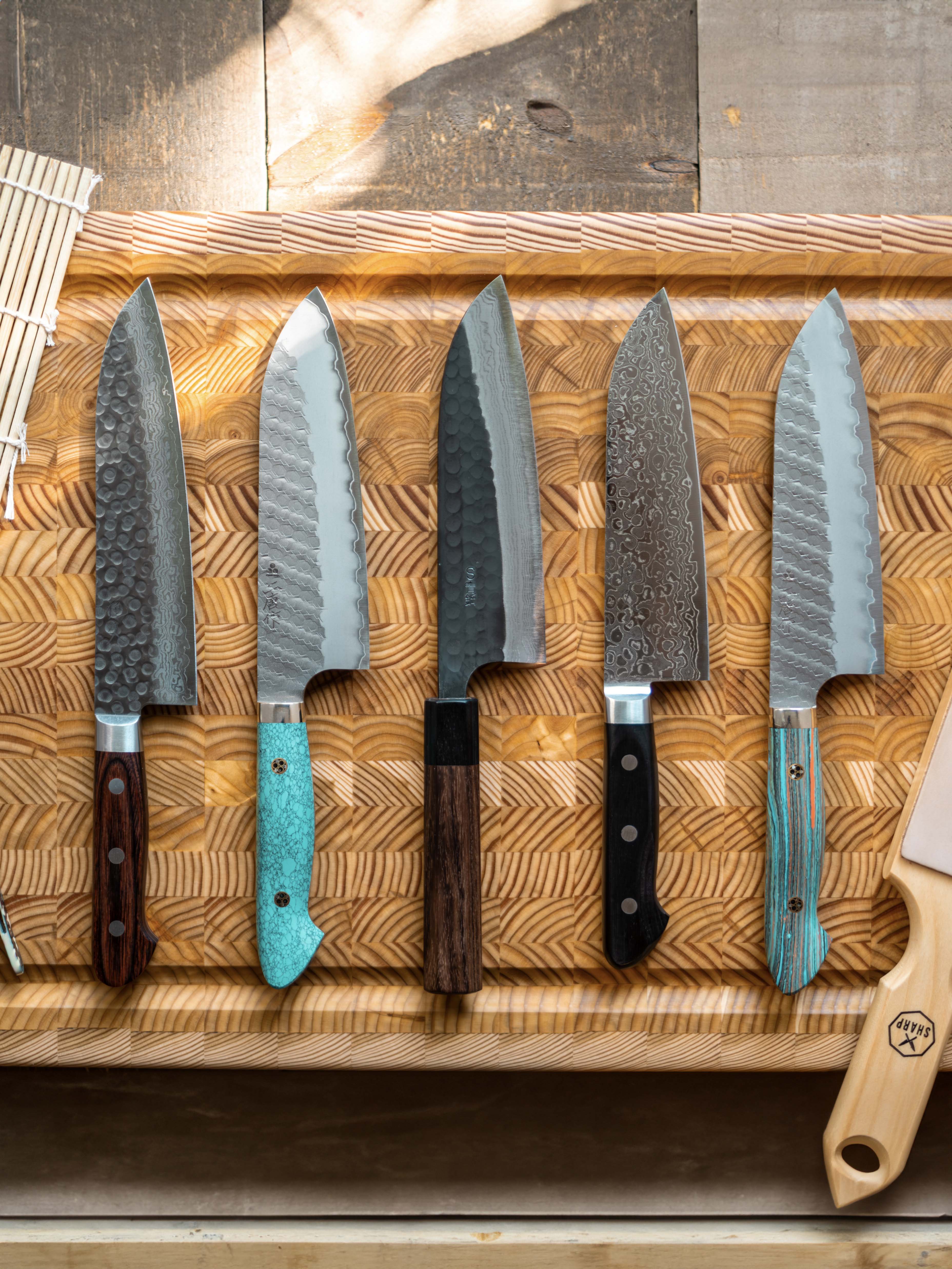
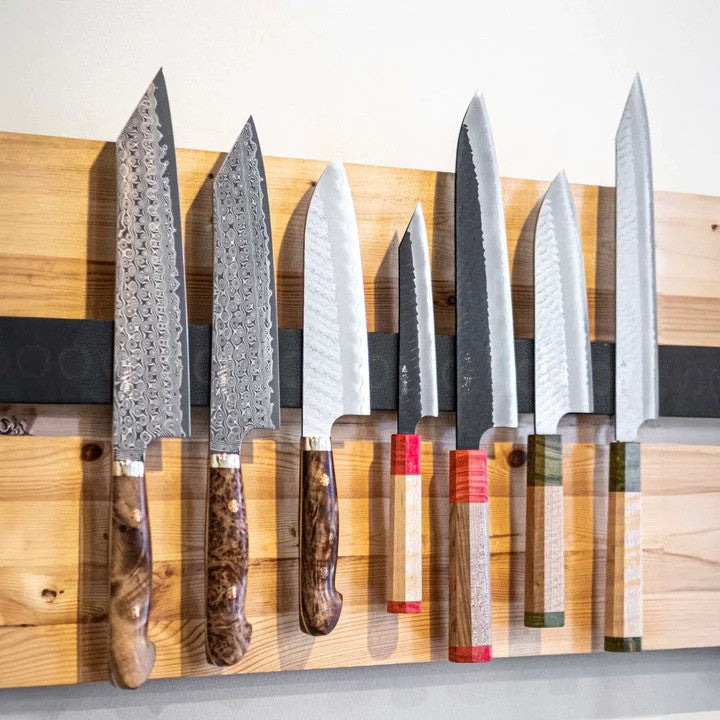
Nigara Hamono SG2 Kurouchi Santoku 180 mm

Price
$359.95
Taxes and shipping calculated at checkout
Only 4 left in stock!

Pickup available at Etobicoke

Usually ready in 1 hour

Check availability at other stores
SPECIFICATIONS
Blade Length 180 mm
Total Length 310 mm
Steel R2(SG2)
Handle Wenge
Ferrule Buffalo Horn
Rockwell 63-64
Height Spine to heel 48.0 mm
Width at Spine 2.3 mm
Weight 158 grams
Bevel  Double (50/50)


The Blacksmith

Nigara Hamono is located in Hirosaki city, Aomori Prefecture, on the west coast of the very northern tip of the main island of Honshu, Japan. Their family has a 350 year old history of making knives and swords and more recently has expanded into structural steel beams for use in construction. Tsuyoshi Yoshizawa stands as the 8th generation smith in the lineage of blacksmiths at Nigara Hamono and creates knives with his younger brother and two other craftsmen.

We are so excited to be able to offer these gorgeous knives to our customers. They are very thin behind the edge and have great blade geometry which contributes to an absolutely stunning cutting feel. The R2(SG2) stainless steel will give these knives excellent edge retention and will make these knives super easy to care for.

The Knife

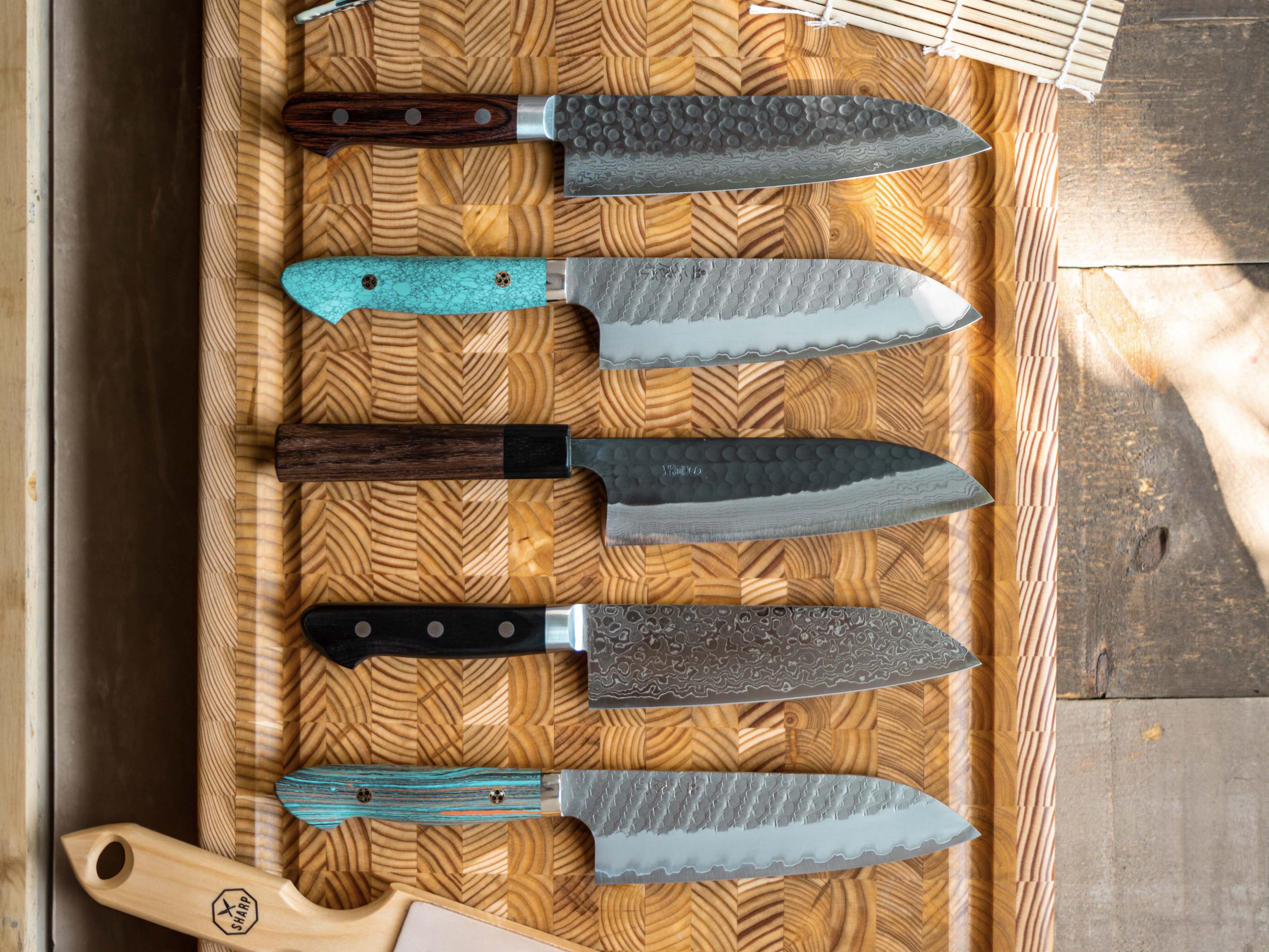
The word "Santoku" translates to "three virtues" and refers to slicing, dicing, and chopping, or meat, fish, and vegetables, depending on who you ask. The name highlights the extreme versatility of the shape, which is why we recommend it most to home cooks. Santokus are typically in the 165 mm (6.5 inch) to 180 mm (8 inch) length range. They generally have a gentle curve that sweeps up toward the tip, so they can easily be used with an up and down chopping motion or a rocking motion. 


Knife Care (Stainless Steel)

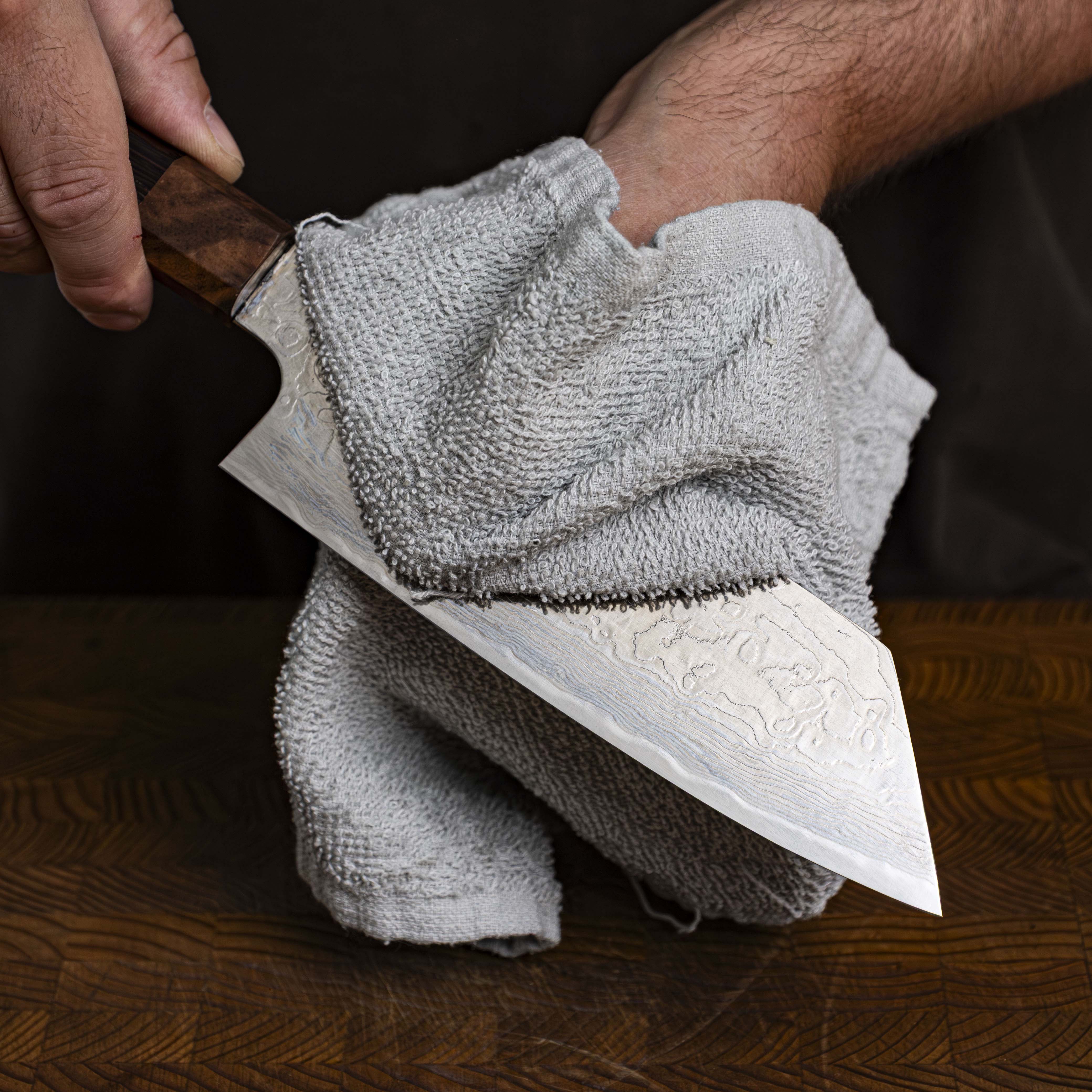
  • Although this knife is made from stainless steel we do still encourage our customers to keep their knives as dry and clean as possible.
  • NO DISHWASHER - the high heat will ruin the wooden handle.
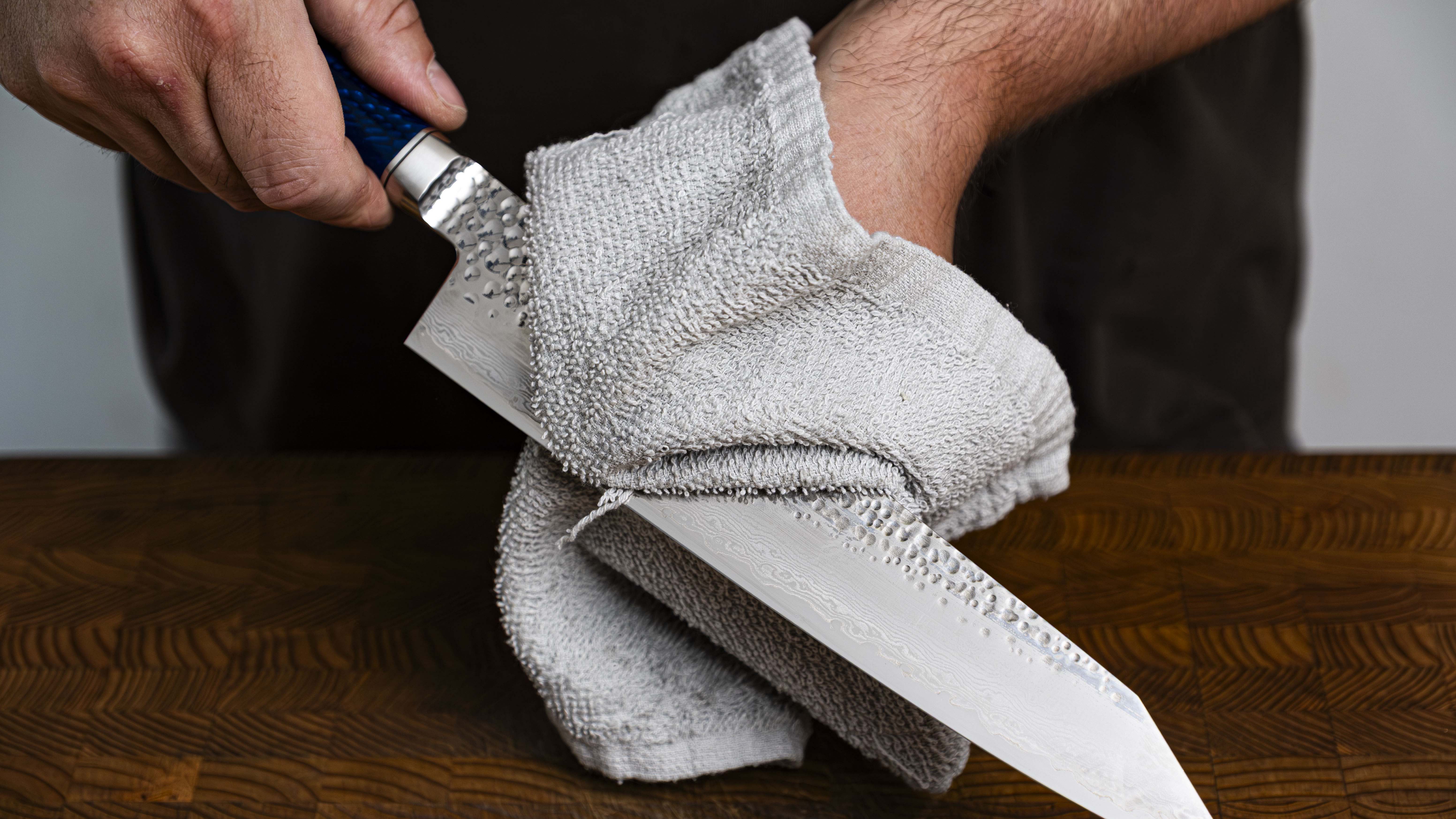
  • Wash and dry by hand using regular dish soap and warm water using a none abrasive sponge or cloth.
  • Ensure the knife is dry before being put away for storage and ensure the edge of the knife is protected to avoid any unnecessary dulling.
  • Avoid Bones, Frozen foods, nuts and hard candies or anything other than fruits, vegetables and proteins.
CARE INSTRUCTIONS

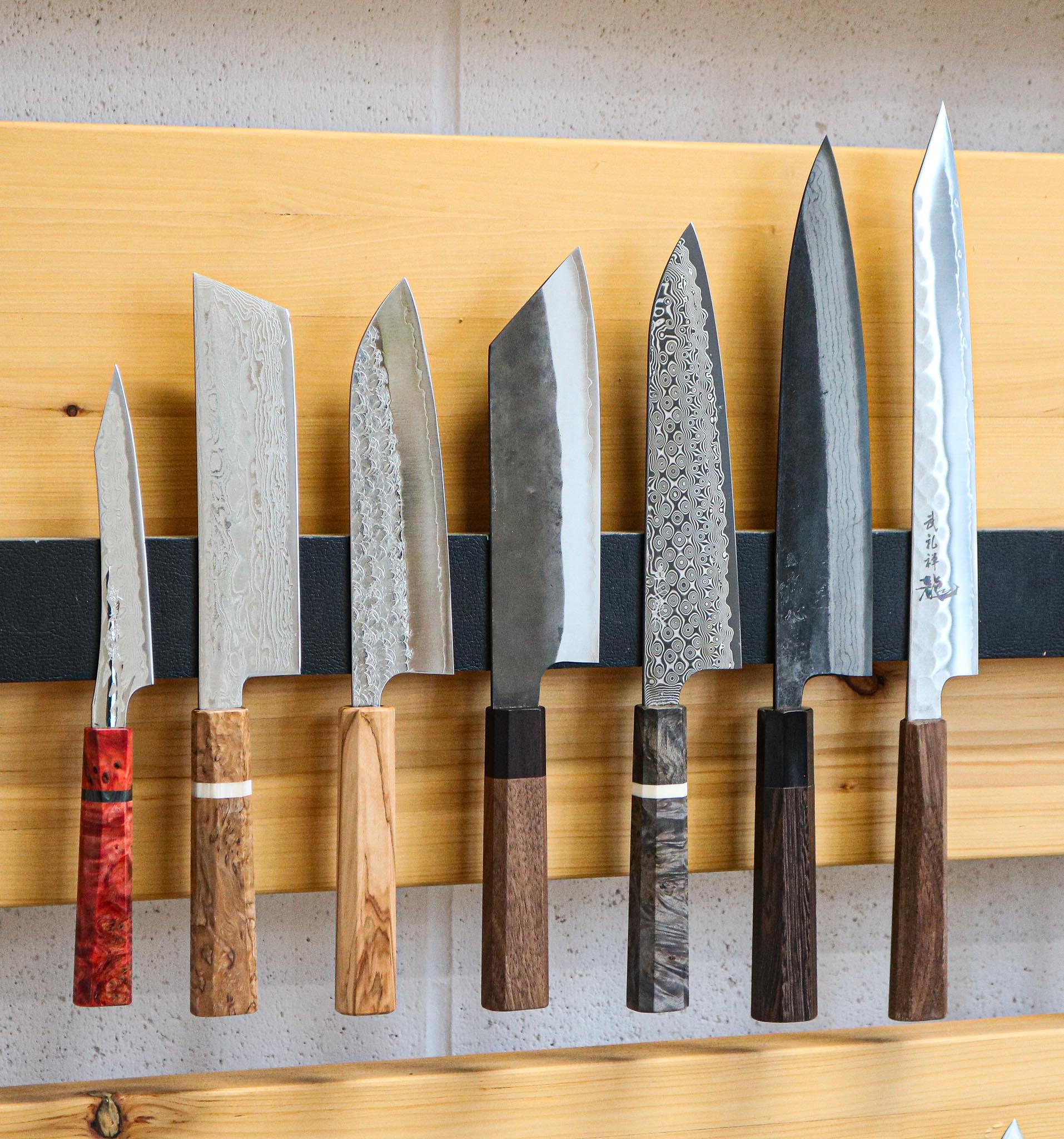
Follow these care recommendations for your Japanese knives to protect the edge and keep them sharp as long as possible: 

  • Do not put them in the dishwasher or soak them in water, as this may ruin the wooden handle and rust the blade. 
  • Wash with soapy water and wipe dry after each use, especially after handling acidic ingredients, to minimize the risk of rusting.  
  • Don’t cut through anything you wouldn’t bite through, like frozen foods, hard candies, or bones, as this may chip or damage the knife. 
  • Don't torque the blade, as this may chip the knife. Use it in a forward and back, up and down motion without twisting.
  • Don’t scrape the cutting board with your knife, as this will cause it to dull quickly and ruin your edge. 
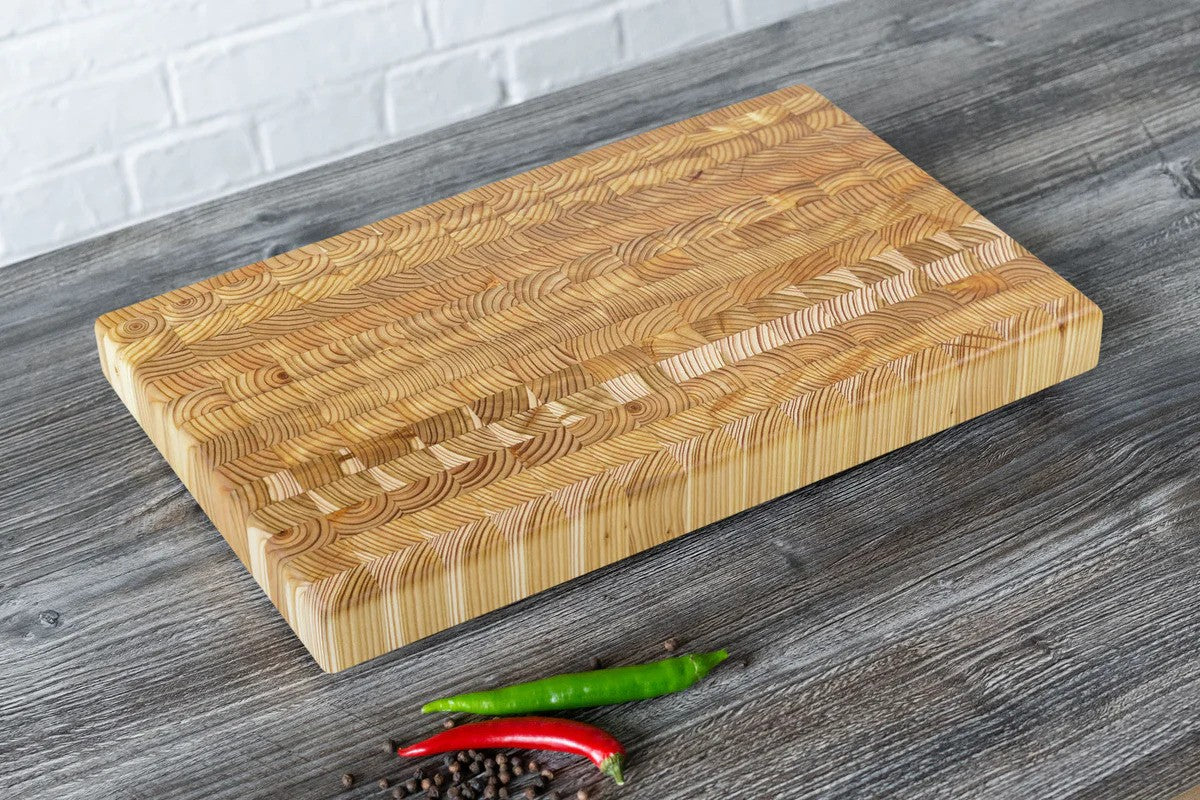
  • Use an end grain wooden cutting board or hi-soft rubberized cutting board if you can to protect your edge. Glass, bamboo, and granite are terrible materials for cutting boards, and plastic is only slightly better. 
SHIPPING & RETURNS

All products are shipped within 24 hours. We offer same day shipping for products ordered by 12pm. Please allow 4-7 business days for your shipment to arrive with standard shipping. Expedited shipping options are also available at checkout.

We offer free shipping on orders within Canada over $150 CAD and free shipping on orders to the US over $200 USD.

Curbside pick-up is available at both our Hamilton and Etobicoke locations.

To make sure our customers are always satisfied, we offer full refunds on products for 14 days after receiving them. See our full return policy for details.

More questions? Check out our shipping policy, our return policy, or reach out to us directly.

KNIFE SHAPE

THE SANTOKU

The word "Santoku" translates to "three virtues" and refers to slicing, dicing, and chopping, or meat, fish, and vegetables, depending on who you ask. The name highlights the extreme versatility of the shape, which is why we recommend it most to home cooks. Santokus are typically in the 165 mm (6.5 inch) to 180 mm (8 inch) length range. They generally have a gentle curve that sweeps up toward the tip, so they can easily be used with an up and down chopping motion or a rocking motion.

STEEL TYPE

R2 (SG2)

R2 and SG2 are technically different steel types, but are so similar we and many other retailers lump them into the same category. They are what’s known as a “quick powdered” stainless tool steel with incredible edge retention and corrosion resistance. Their one drawback is that their hardness can make them difficult to sharpen. It is not a steel we would recommend for those planning to thin and polish the bevels of their knives unless they are equipped with the proper tools (you will need a low grit stone in the #200 grit range).

Chemical Composition:
C 1.25-1.45% | Cr 14.0-16.0% | Mo 2.3-3.3% | V 1.8-2.2%

COMPOSITION

STAINLESS STEEL

LOW MAINTENANCE

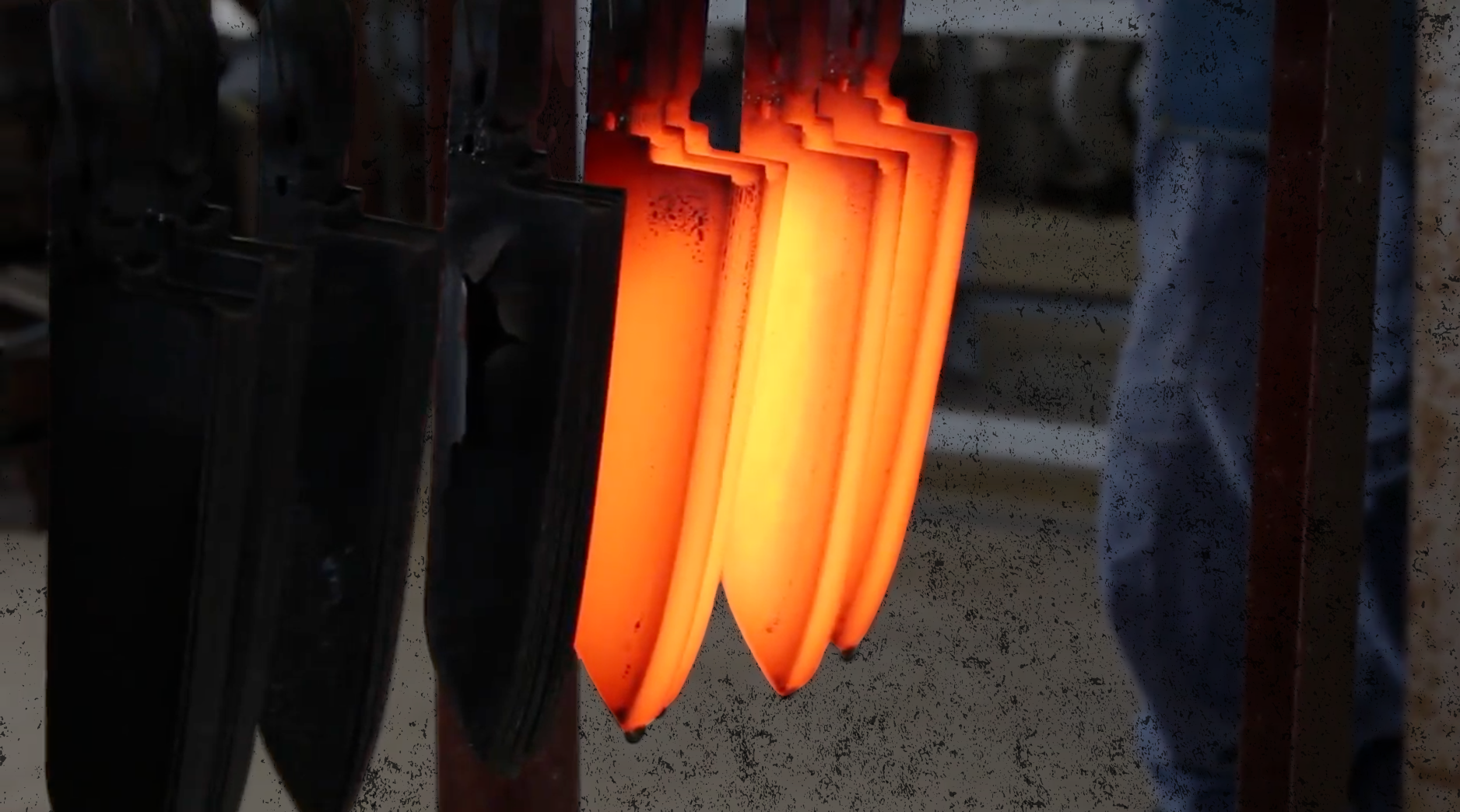
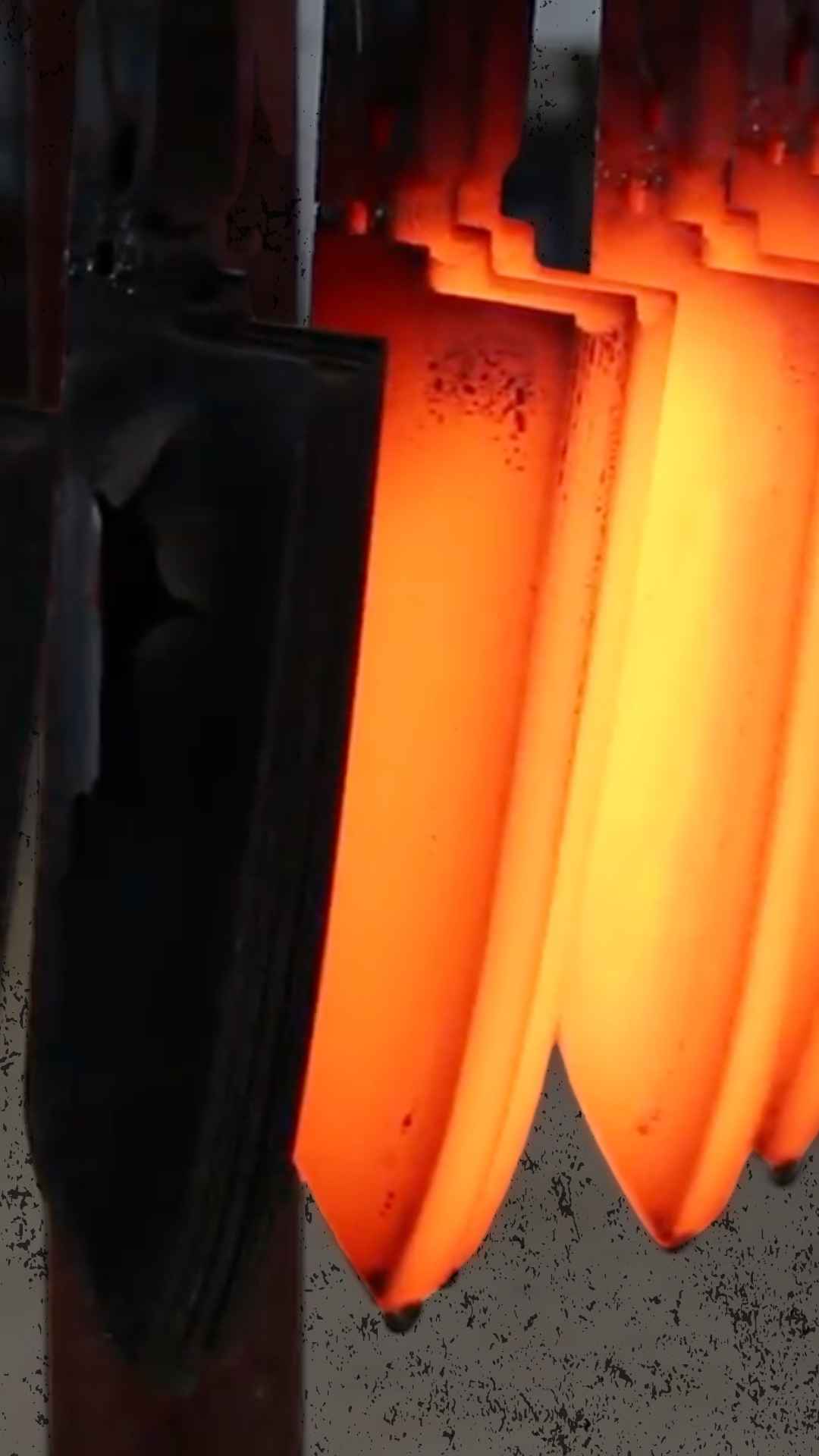
Stainless steel Japanese knives are made in a process called “Sanmai” or “Forge welding” where two softer layers of stainless steel are laminated around a harder core layer of stainless steel. All three of these layers are rust resistant and therefore are not susceptible to rust or discoloration. The softer outer layers of steel are used to make the knife more durable and flexible while the harder core layer is used to provide better edge retention to the blade.

THE BLACKSMITH

NIGARA HAMONO

Nigara Hamono is located in Hirosaki city, Aomori Prefecture, on the north west tip of the main island of Honshu, Japan. Their family has been making knives and swords for more than 350 years and more recently has expanded into structural steel beams for use in construction. Tsuyoshi Yoshizawa stands as the 8th generation smith in the lineage of blacksmiths at Nigara Hamono and creates knives with his younger brother and two other craftsmen.

RECENTLY VIEWED

RECOMMENDED FOR YOU

REVIEWS