| Blade Length |
115 mm |
| Total Length |
230 mm |
| Steel |
Aogami (Blue Super) Stainless Clad |
| Handle |
Black Pakkawood |
| Ferrule |
N/A |
| Rockwell |
63 |
| Height Spine to heel |
29 mm |
| Width at Spine |
3 mm |
| Weight |
87 grams |
| Bevel |
Double (50/50) |
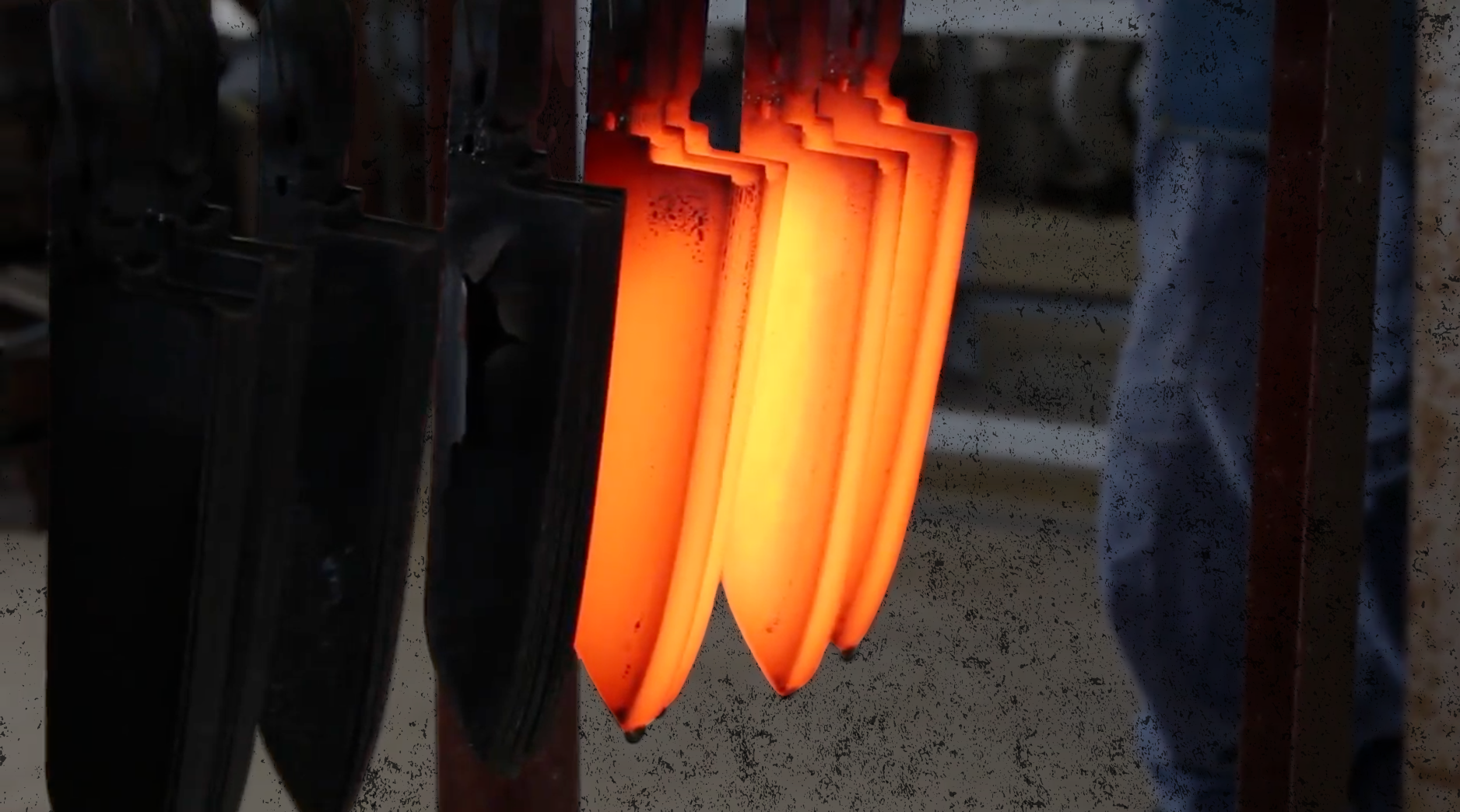
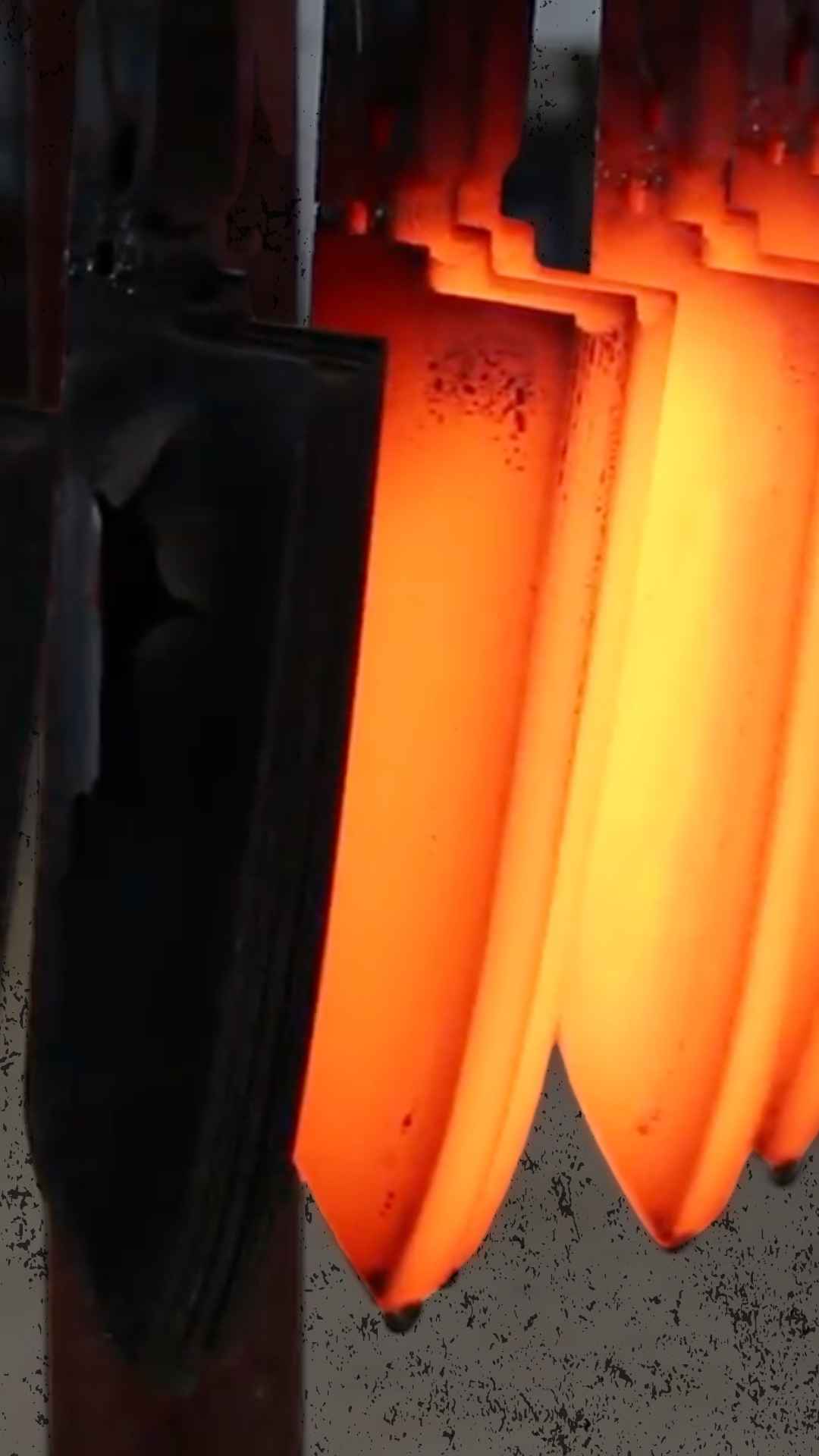
Shigeki Tanaka started his blacksmith journey when he apprenticed in the Takefu knife village near Echizen city for three years. A region renowned for it's cutlery making and forging techniques he learned the intricacies of hand forging blades used for food production there. He later moved back to Miki City to continue his work at his Family's shop where they primarily made sickles and other agricultural tools. Now the shop focuses on Kitchen knives and has gained a reputation worldwide for producing some of the best knives available.
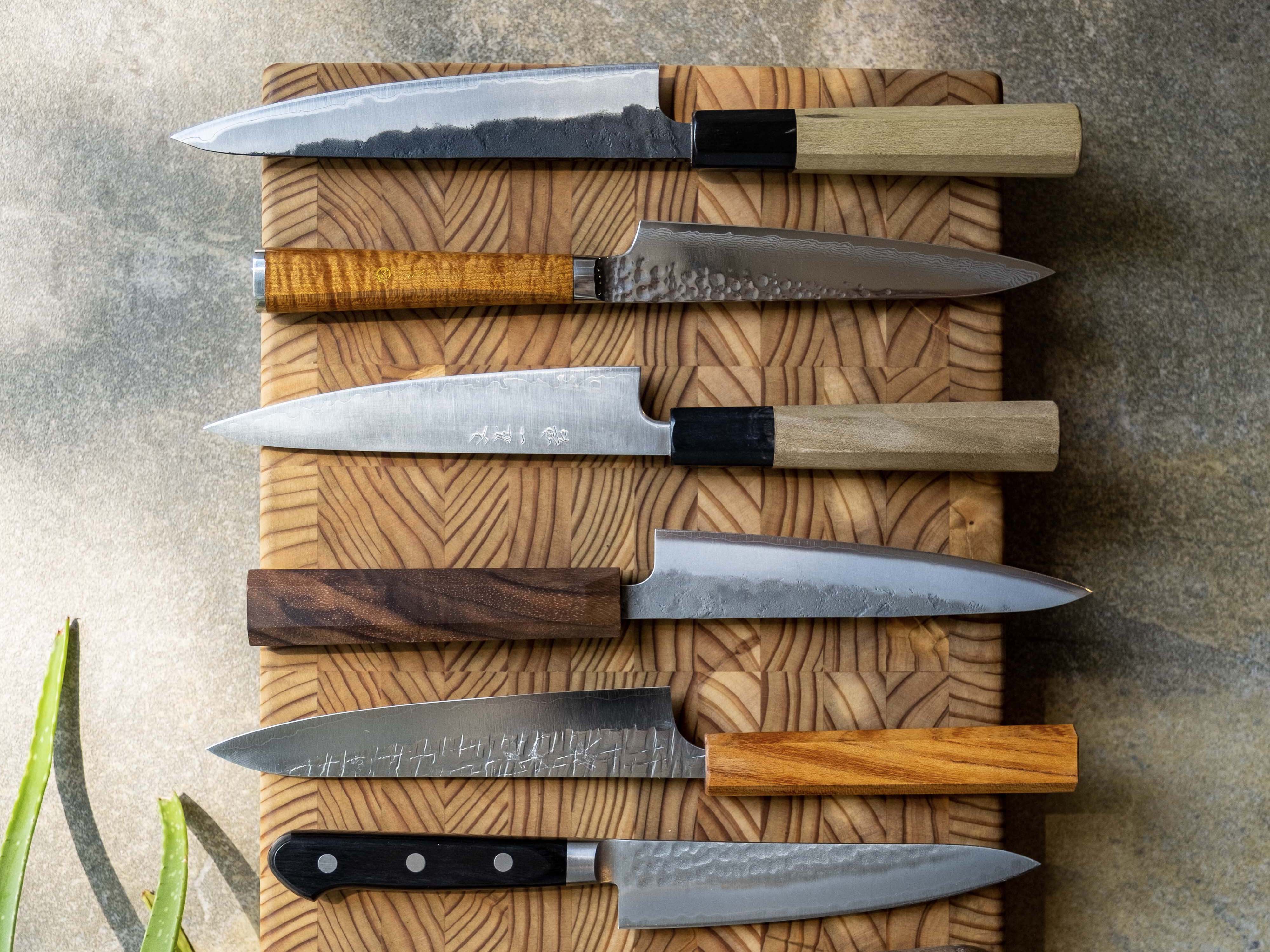
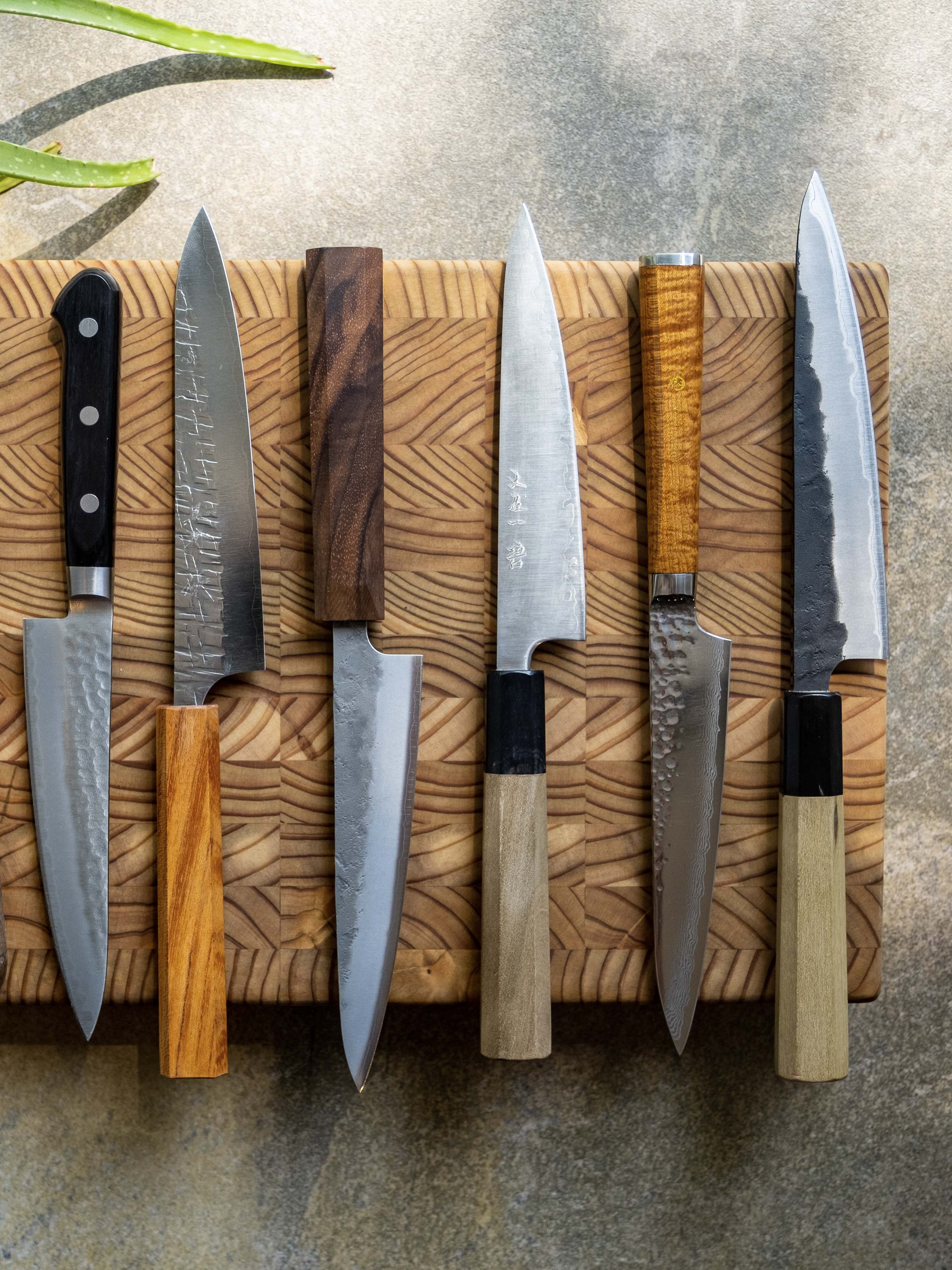
A petty is one of the two shapes we recommend to start your kit with, and is great paired with a Gyuto, Kiritsuke, Santoku, or Bunka. Well the bigger knife does most of the one board prep the petty will be used for all off board prep, wether that be capping, peeling or turning fruits and vegetables, or breaking down meat, fish, and poultry. This knife is great for professionals because its small enough to keep on the line with you during service and is surprisingly capable to knock out a 1/6 of brunoise shallot you forgot before service, and great for the home cook as a knife you can make a quick breakfast or sandwich with without having to pull out the big guns and a larger cutting board. Being a shallow blade it can also be useful for on board tasks like garlic, as theres not much material for the sticky residue to build up on.
Knife Care (Stainless Clad)
-
Never twist or torque your knife on a cutting board or in an ingredient, this WILL cause your knife to chip. Use your knife in an up and down, forward and backward cutting motion.
- This knife is made from 3 layers of steel using a technique called Sanmai (Forge welding). It involves laminating a piece of Carbon steel with two pieces of Stainless steel giving the knife all the benefits of the carbon steel (Edge retention, ease of sharpening, cutting feel) and the Ease of Maintenance from Stainless steel. 2-3 millimeters of the carbon steel is exposed at the edge of the knife and is susceptible to rust and discouloration if not properly maintained.
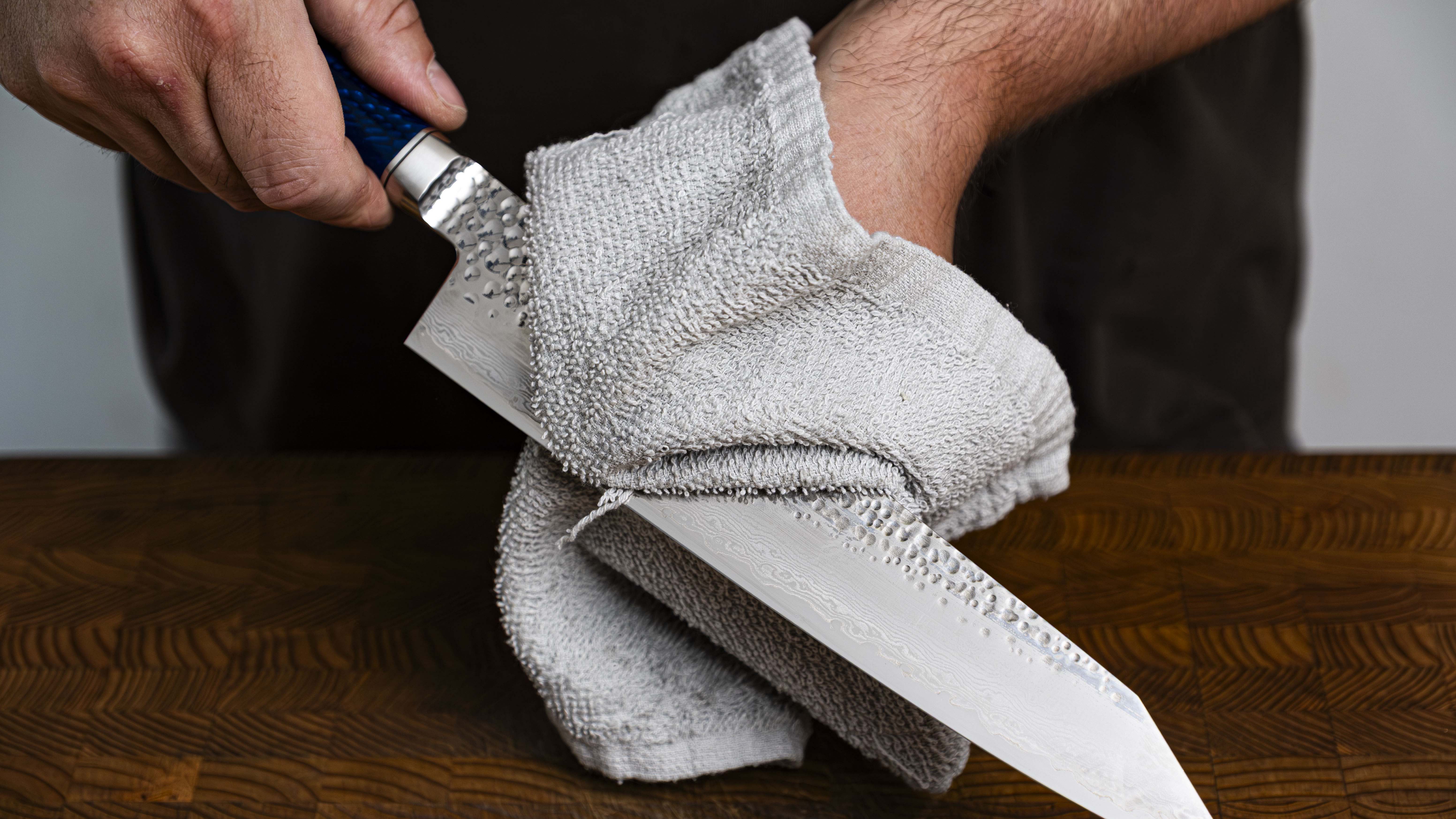
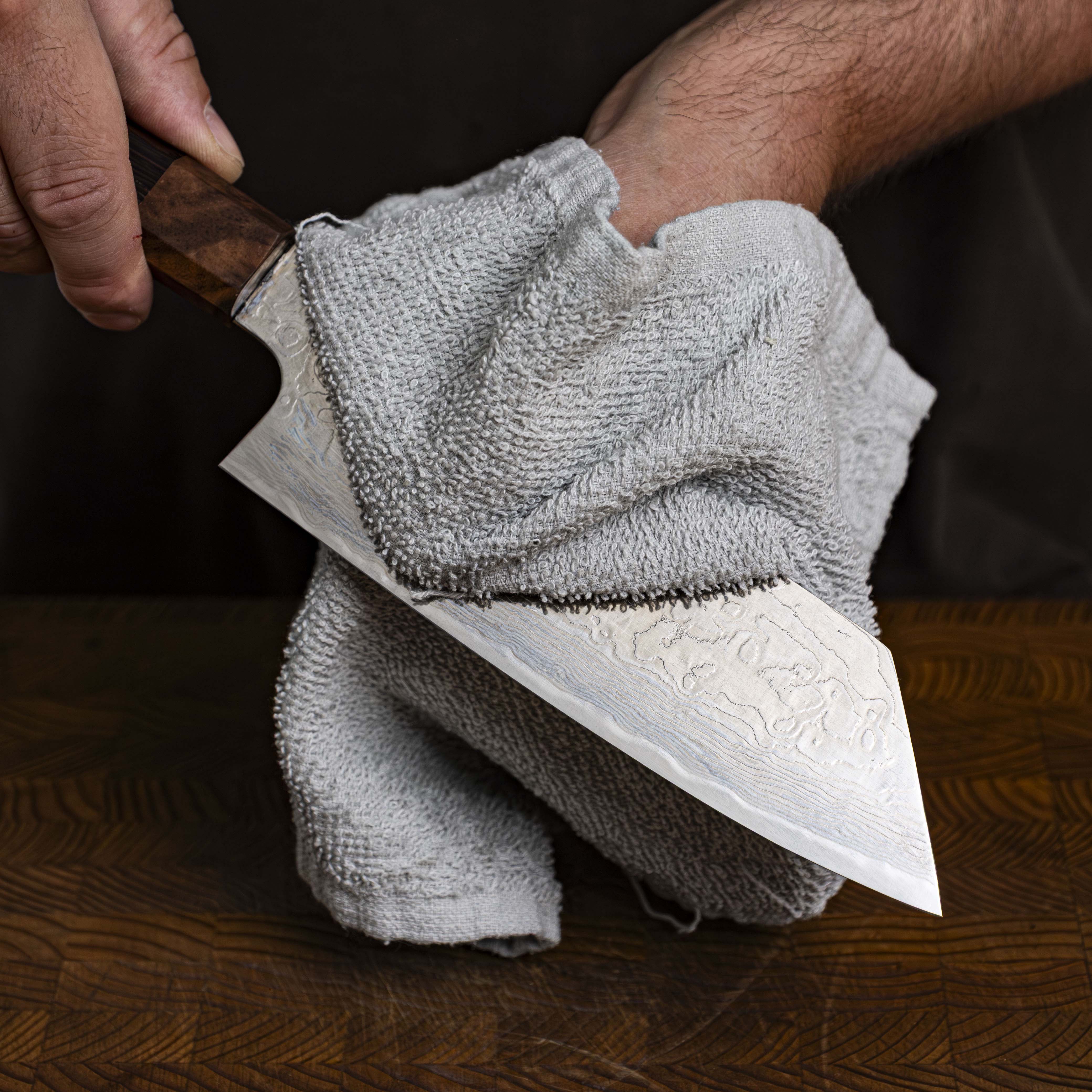
- Simply Wipe the knife with a damp cloth immediately after use to keep it from rusting or discouloring.
- Wash with regular dish soap and warm water using a none abrasive sponge or cloth.
- Never put your knife in the Dishwasher. The extreme heat will ruin the wooden handle.
- Highly acidic ingredients (Onions, Tomatoes, Citrus) Will cause rust and oxidation to happen faster, thus the user must ensure the knife is wiped clean immediately after working with such an ingredient.
- Should any rust form it can be removed using a rust eraser or a mixture of Baking soda and water to simply scrub it clean.
- Avoid Bones, Frozen foods, nuts and hard candies or anything other than fruits, vegetables and proteins. Twisting and torqueing the blade into the cutting board or an ingredient must also be avoided. This knife can only be used in an up and down, straight forward and backward cutting motion.