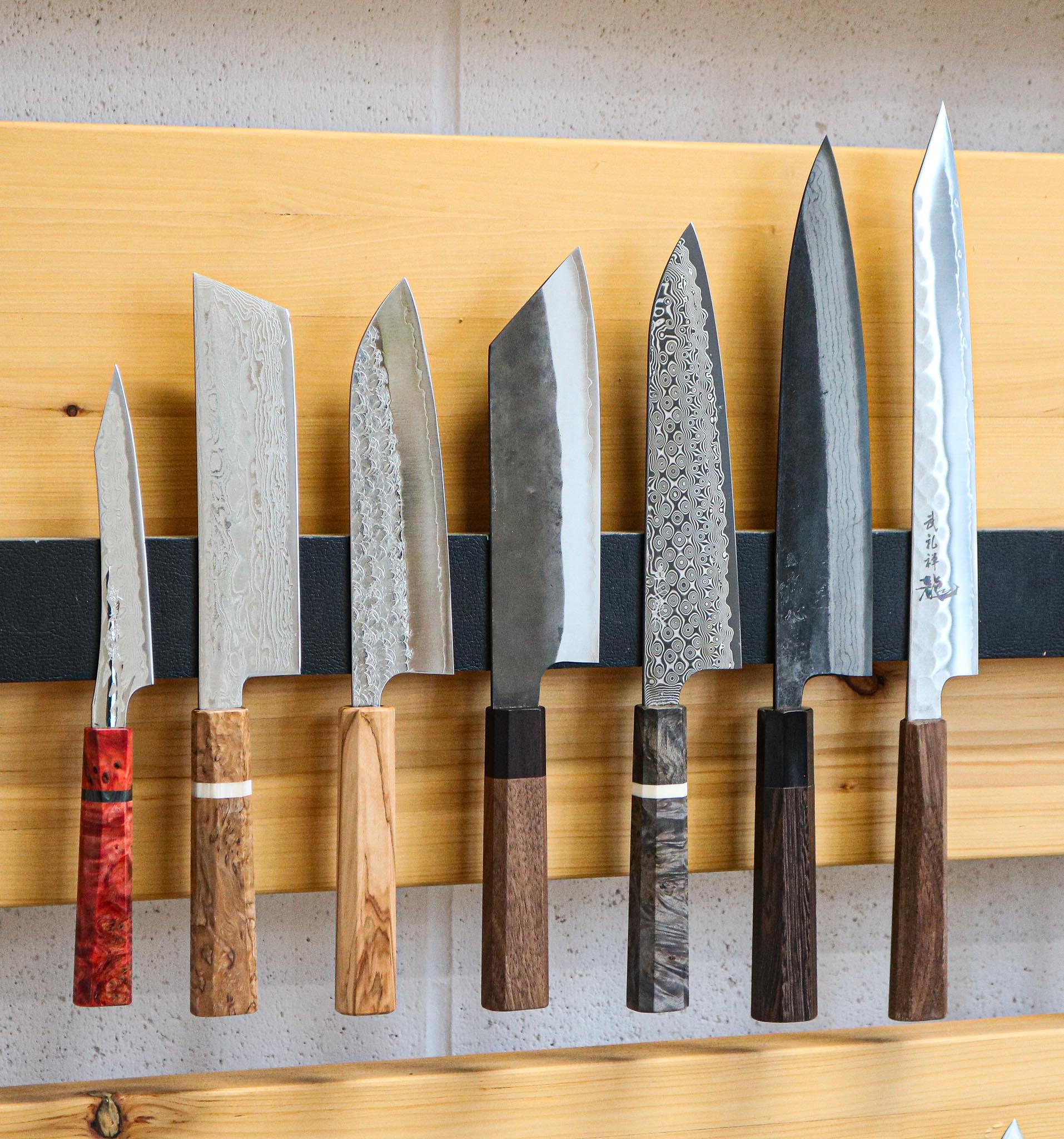
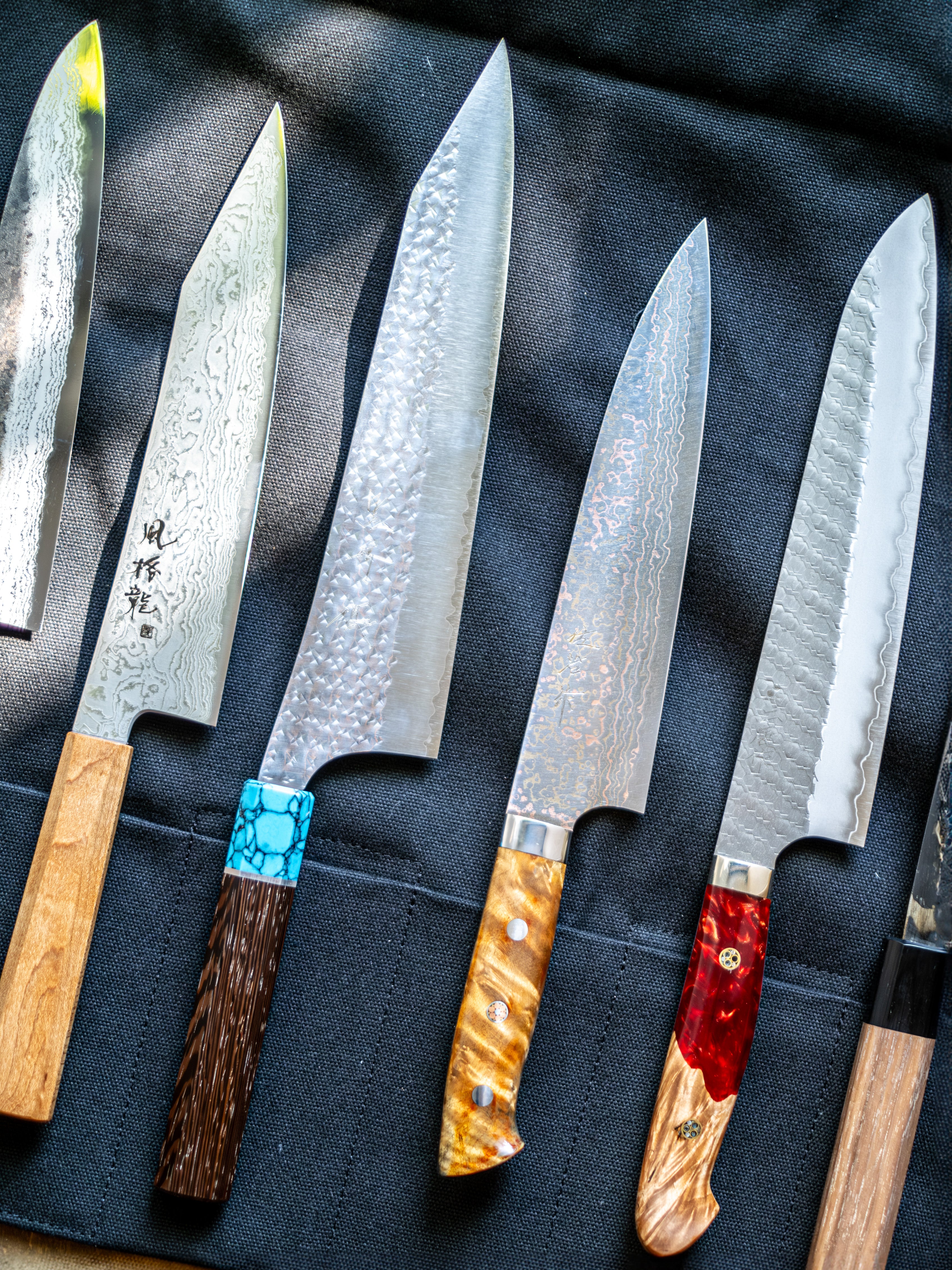
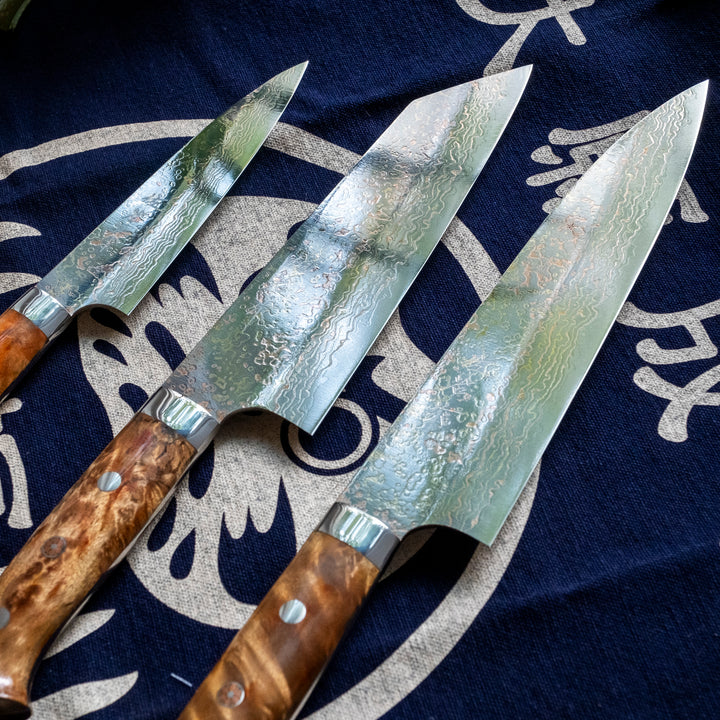
Takeshi Saji is a master craftsman working out of the famed Takefu knife village, an co-op of incredible craftspeople renowned for it's kitchen knife production. In 1992 he was recognized by the Japanese government as a "Traditional Master Craftsman" and he was one of the founding members of the Takefu knife village. He hand forges each of his knives using the traditional methods passed down through the generations over the past 700 years.
The Knife
The gyuto is the Japanese equivalent to the western chef's knife. It is an all purpose knife that you can do every task in the kitchen with, from slicing, dicing, chopping, rocking, you name it, this knife can do it. At the shop we recommend a 210 (8 inch) gyuto as the first knife someone adds to their collection. *These knives are very thin, and more prone to chipping or other damage with misuse that some other options that we carry at the shop*
*These knives are very thin and more prone to chipping and other damage with misuse than some other knives we offer*
Takefu Knife Village
The Takefu Knife Village is a cooperative workshop in the Echizen region of Japan. It is the home to a long list of blacksmiths that we work with and many young and upcoming apprentices learning the trade. The area has a 700 year long history of smithing with roots in agricultural tools turned cutlery powerhouse.
Although this knife is made from stainless steel we do still encourage our customers to keep their knives as dry and clean as possible.
NO DISHWASHER - the high heat will ruin the wooden handle.
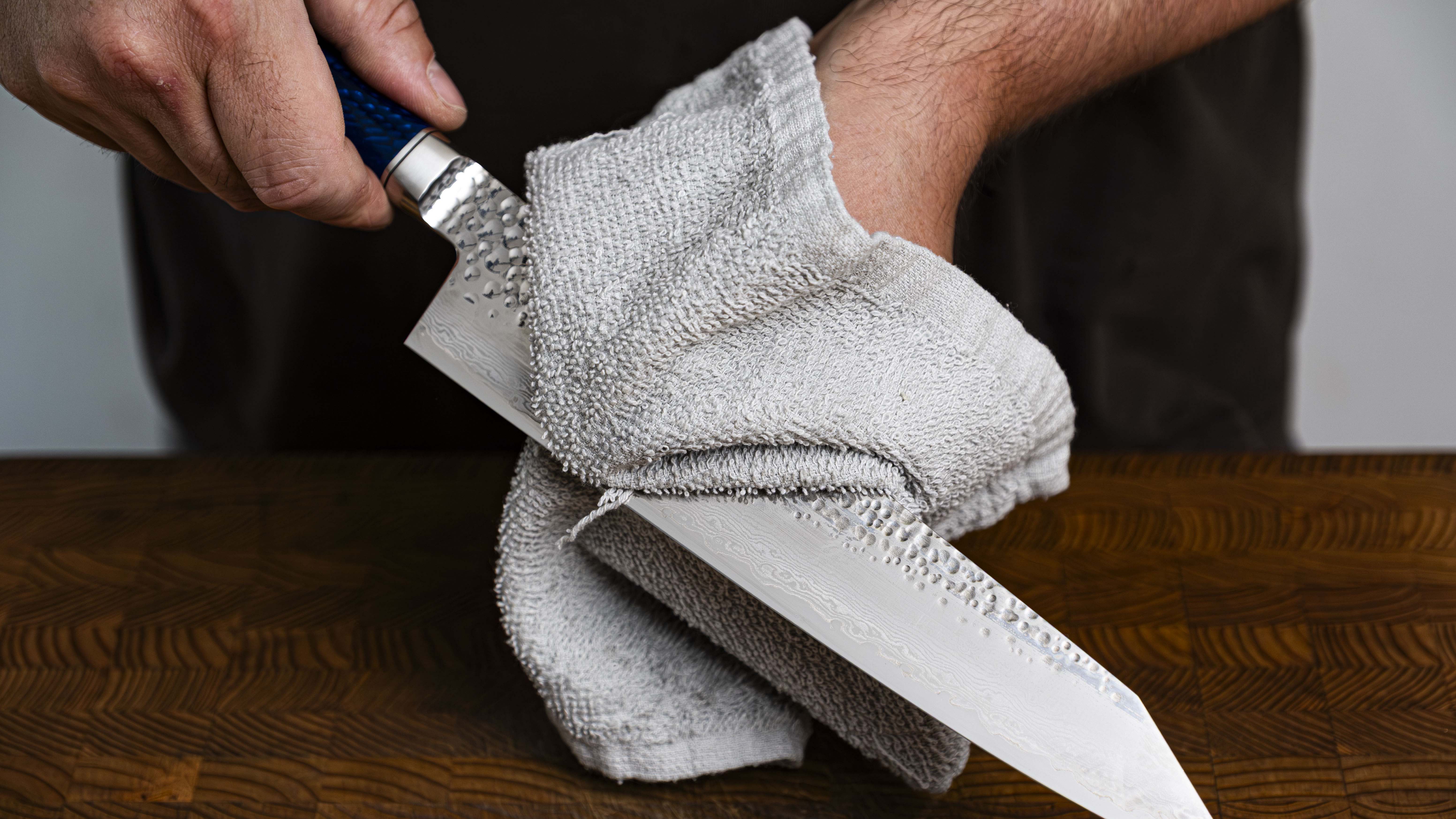
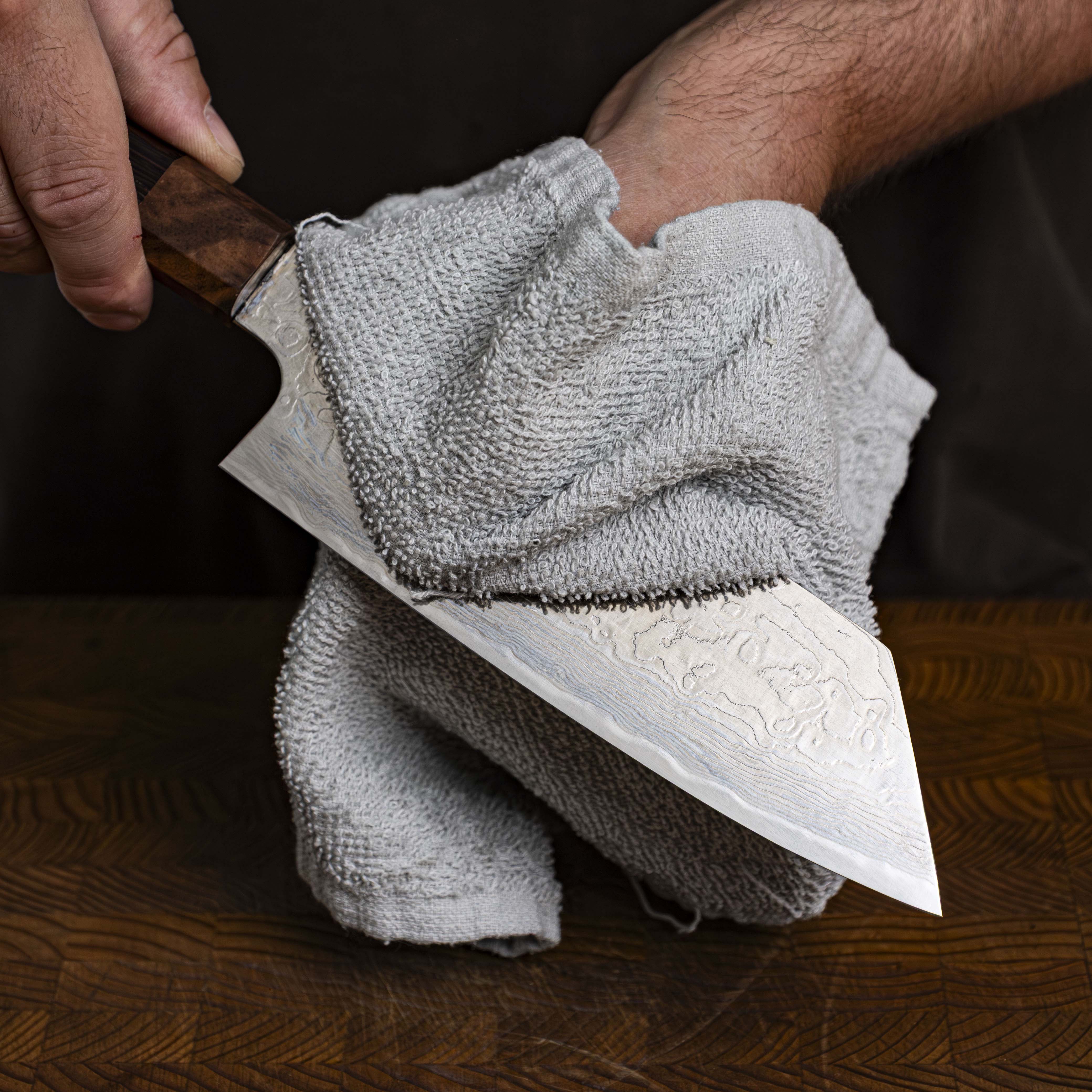
Wash and dry by hand using regular dish soap and warm water using a none abrasive sponge or cloth.
Ensure the knife is dry before being put away for storage and ensure the edge of the knife is protected to avoid any unnecessary dulling.
Avoid Bones, Frozen foods, nuts and hard candies or anything other than fruits, vegetables and proteins.
Simply Wipe the knife with a damp cloth immediately after use to keep it from rusting or discouloring.
Never put your knife in the Dishwasher. The extreme heat will ruin the wooden handle.
Highly acidic ingredients (Onions, Tomatoes, Citrus) Will cause rust and oxidation to happen faster, thus the user must ensure the knife is wiped clean immediately after working with such an ingredient.
Should any rust form it can be removed using a rust eraser or a mixture of Baking soda and water to simply scrub it clean.
CARE INSTRUCTIONS
Follow these care recommendations for your Japanese knives to protect the edge and keep them sharp as long as possible:
Do not put them in the dishwasher or soak them in water, as this may ruin the wooden handle and rust the blade.
Wash with soapy water and wipe dry after each use, especially after handling acidic ingredients, to minimize the risk of rusting.
Don’t cut through anything you wouldn’t bite through, like frozen foods, hard candies, or bones, as this may chip or damage the knife.
Don't torque the blade, as this may chip the knife. Use it in a forward and back, up and down motion without twisting.
Don’t scrape the cutting board with your knife, as this will cause it to dull quickly and ruin your edge.
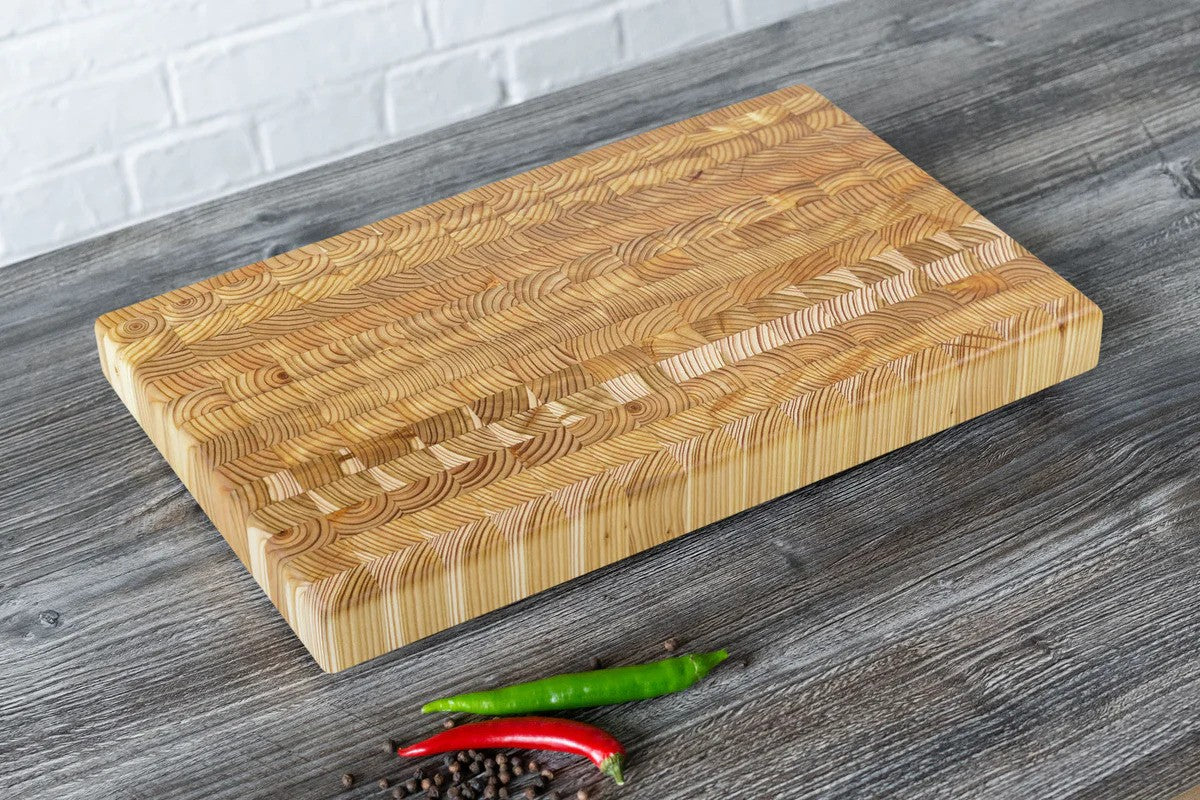
Use an end grain wooden cutting board or hi-soft rubberized cutting board if you can to protect your edge. Glass, bamboo, and granite are terrible materials for cutting boards, and plastic is only slightly better.
SHIPPING & RETURNS
All products are shipped within 24 hours. We offer same day shipping for products ordered by 12pm. Please allow 4-7 business days for your shipment to arrive with standard shipping. Expedited shipping options are also available at checkout.
We offer free shipping on orders within Canada over $150 CAD and free shipping on orders to the US over $200 USD.
Curbside pick-up is available at both our Hamilton and Etobicoke locations.
To make sure our customers are always satisfied, we offer full refunds on products for 14 days after receiving them. See our full return policy for details.
The Gyuto is the Japanese equivalent to the western style chef’s knife and is without question the most versatile knife shape. It ranges in size from 180 mm (7 inches) to 240 mm (10 inches), making it longer than the Santoku and Bunka. This length makes it adept at handling almost any task you'll come across in the kitchen, from mincing small ingredients to chopping through larger fruits and vegetables. The longer the knife, the more time it will take to grow accustomed to its length, but the more versatile it will be.
STEEL TYPE
VG-10
Likely the most widely used Japanese stainless steel, it provides great rust resistance, very good edge retention, and is relatively easy to sharpen. Because of how many companies use this steel to produce their knives, it can sometimes get a bad rep, but we have had nothing but positive experiences using and sharpening it. Knives made from this steel are generally a bit more affordable compared to those made from steels like R2 and ZDP189 while still offering fantastic performance and easy maintenance.
Chemical Composition:
C 0.95-1.05% | Cr 14.5-15.5% | Mo 0.9-1.2% | V 0.1-0.3% | Co 1.3-1.5%
COMPOSITION
STAINLESS STEEL
LOW MAINTENANCE
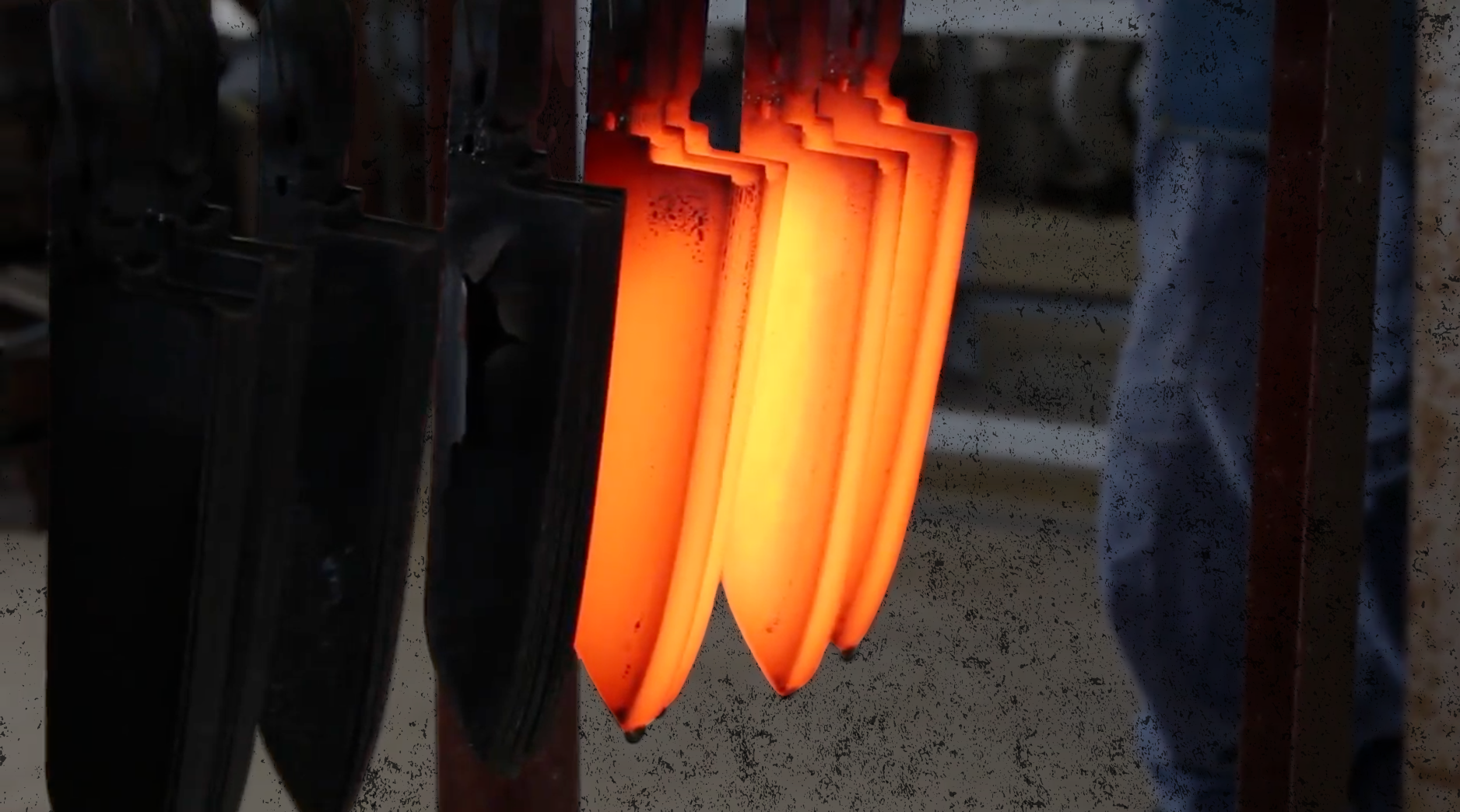
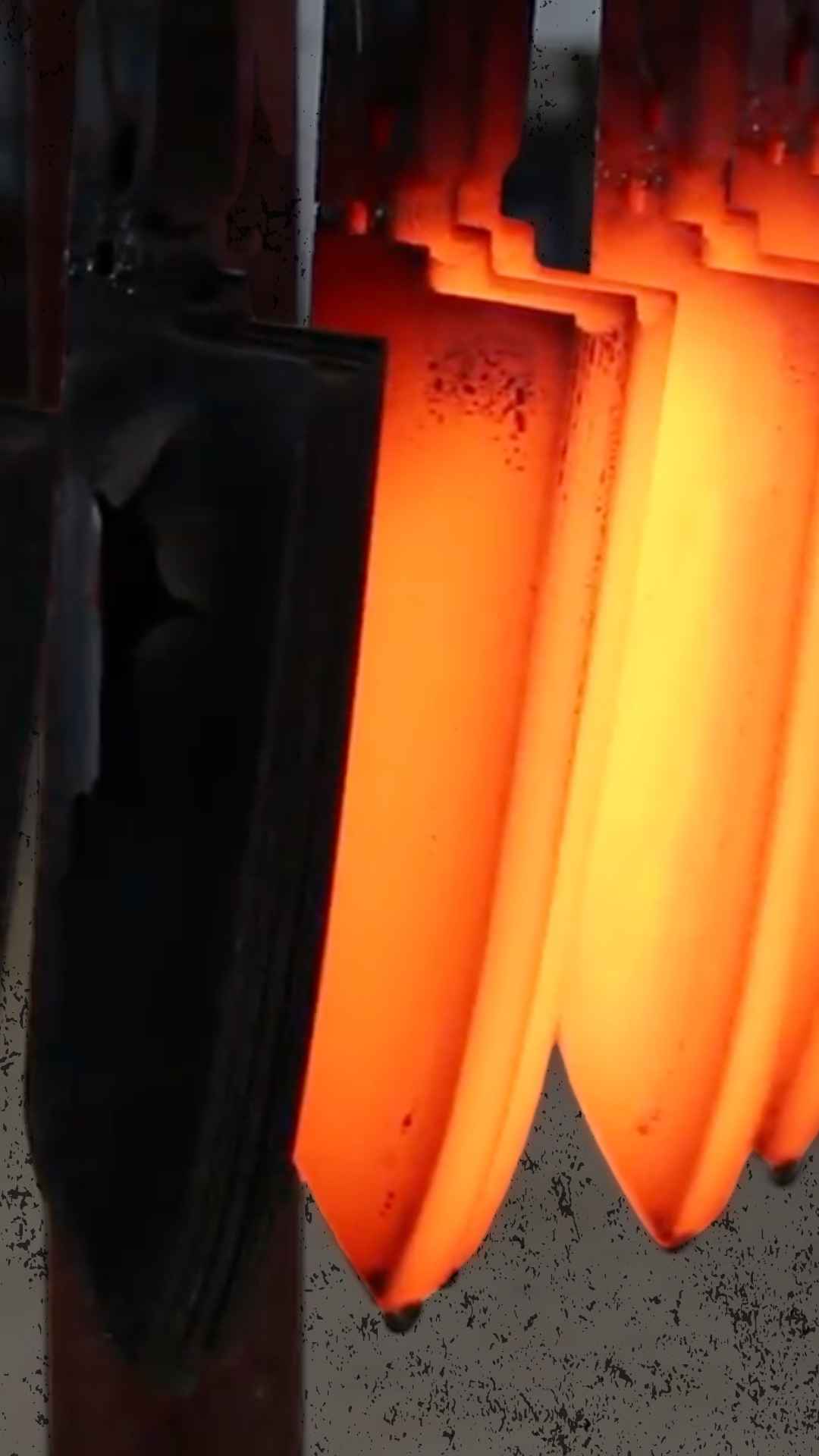
Stainless steel Japanese knives are made in a process called “Sanmai” or “Forge welding” where two softer layers of stainless steel are laminated around a harder core layer of stainless steel. All three of these layers are rust resistant and therefore are not susceptible to rust or discoloration. The softer outer layers of steel are used to make the knife more durable and flexible while the harder core layer is used to provide better edge retention to the blade.
THE BLACKSMITH
TAKESHI SAJI
Takeshi Saji is a master craftsman working out of the famed Takefu Knife Village in Echizen City, Fukui Prefecture, Japan. He is known for his incredible craftsmanship in knife-making. In 1992 he was recognized by the Japanese government as a "Traditional Master Craftsman'' and he is one of the founding members of the Takefu Knife Village. Takeshi Saji hand forges each of his knives using the traditional methods passed down through generations over the past 700 years.