| Length |
165 mm |
| Total Length |
305 mm |
| Steel |
Aogami #2 (Iron Clad)
|
| Handle |
Cherry |
| Ferrule |
Red Pakka Wood |
| Rockwell |
61-62 HRC |
| Height Spine to heel |
47 mm |
| Width at Spine |
3 mm |
| Weight |
grams |
| Bevel |
Double (50/50) |
The Blacksmith
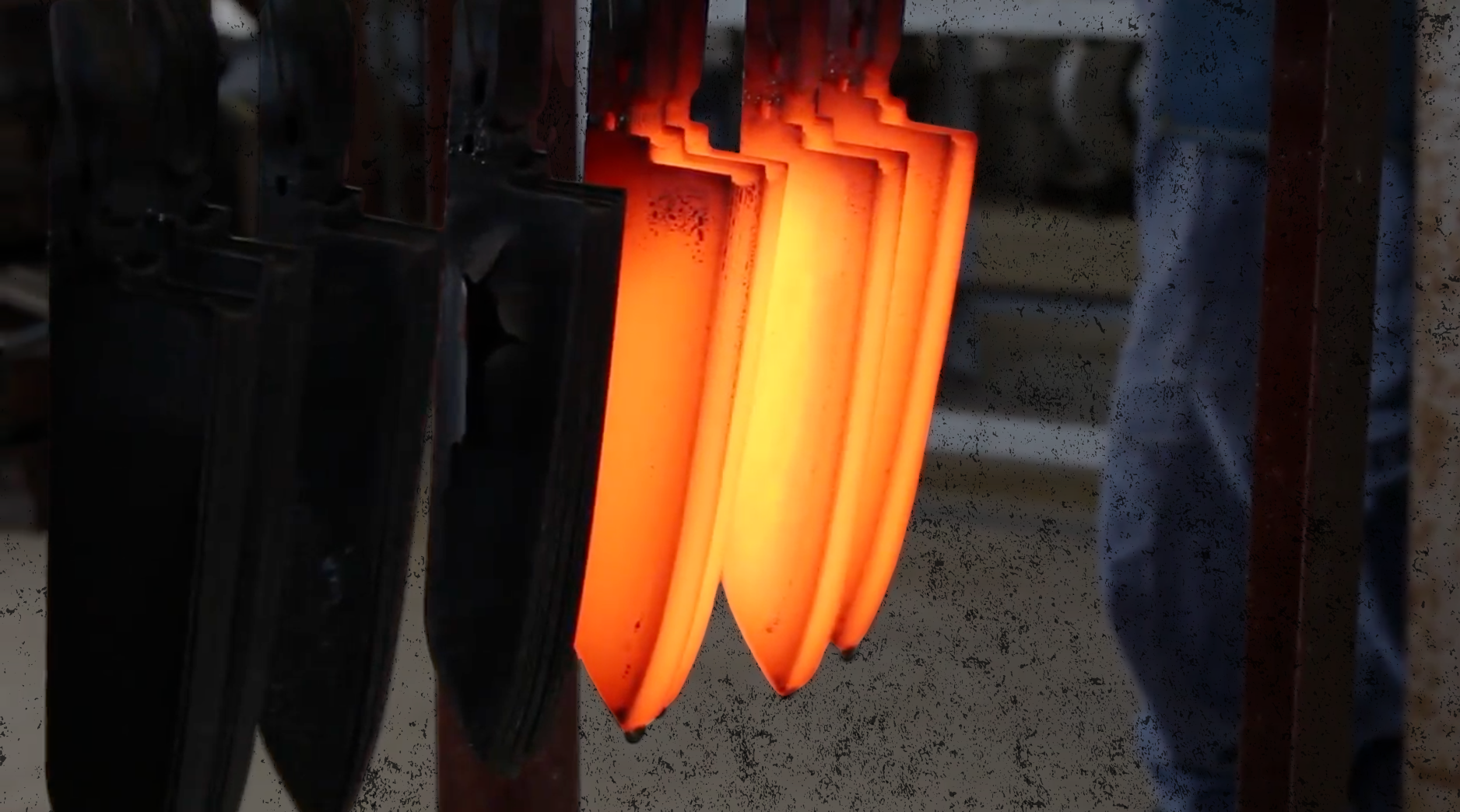
Muneishi Cutlery goes back to 1955 where grandfather, and now head of the company, Kousuke Muneishi started making agricultural tools. He later branched off into making kitchen knives. Based in Tosa City, Kochi Prefecture, Japan, Muneishi knives are high performing and durable. They are less flashy than some other smiths; however, aim for simplistic designs that keep their products affordable workhorses for the professional or home cook alike.
The Knife
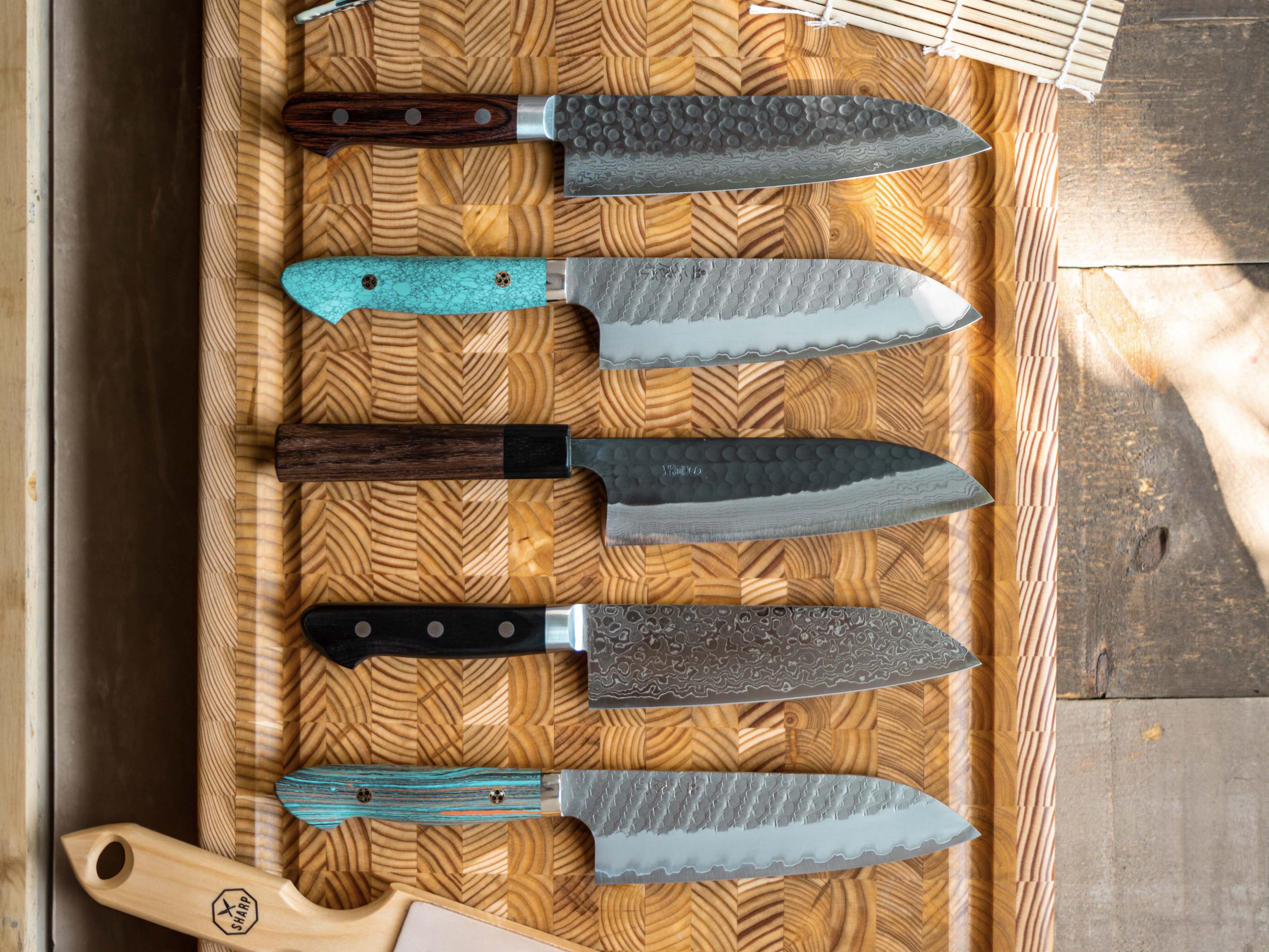
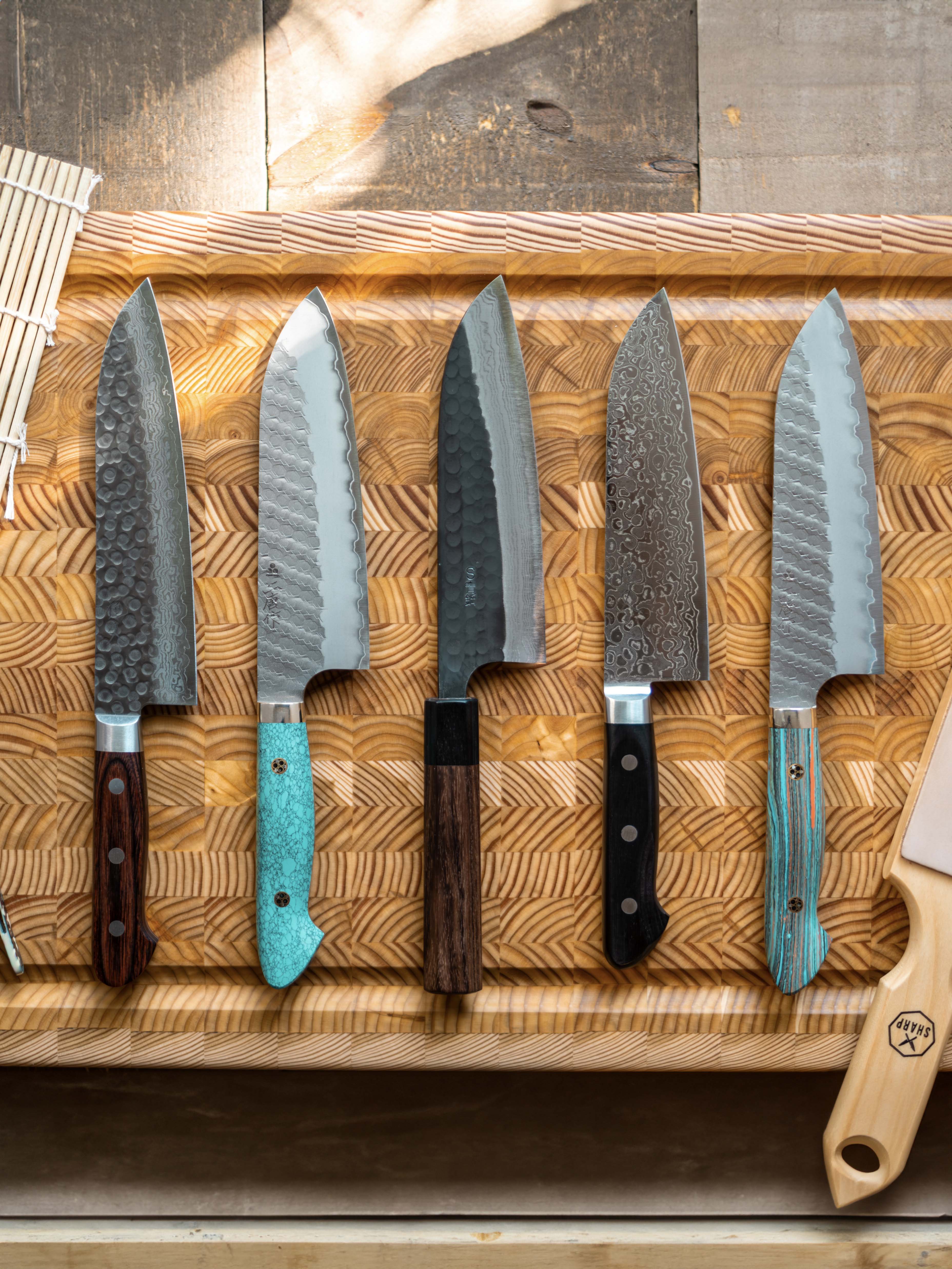
The word "Santoku" translates to "three virtues" and refers to slicing, dicing, and chopping, or meat, fish, and vegetables, depending on who you ask. The name highlights the extreme versatility of the shape, which is why we recommend it most to home cooks. Santokus are typically in the 165 mm (6.5 inch) to 180 mm (8 inch) length range. They generally have a gentle curve that sweeps up toward the tip, so they can easily be used with an up and down chopping motion or a rocking motion.
Knife Care (Iron Clad)
- This Knife is made from 3 layers of material; A layer of iron on each side protecting a layer of carbon steel at the core, in a process referred to as Sanmai or forge welding. Iron and carbon steel are both susceptible to rust and must be kept dry and clean at all time’s to avoid oxidation and discolouration.
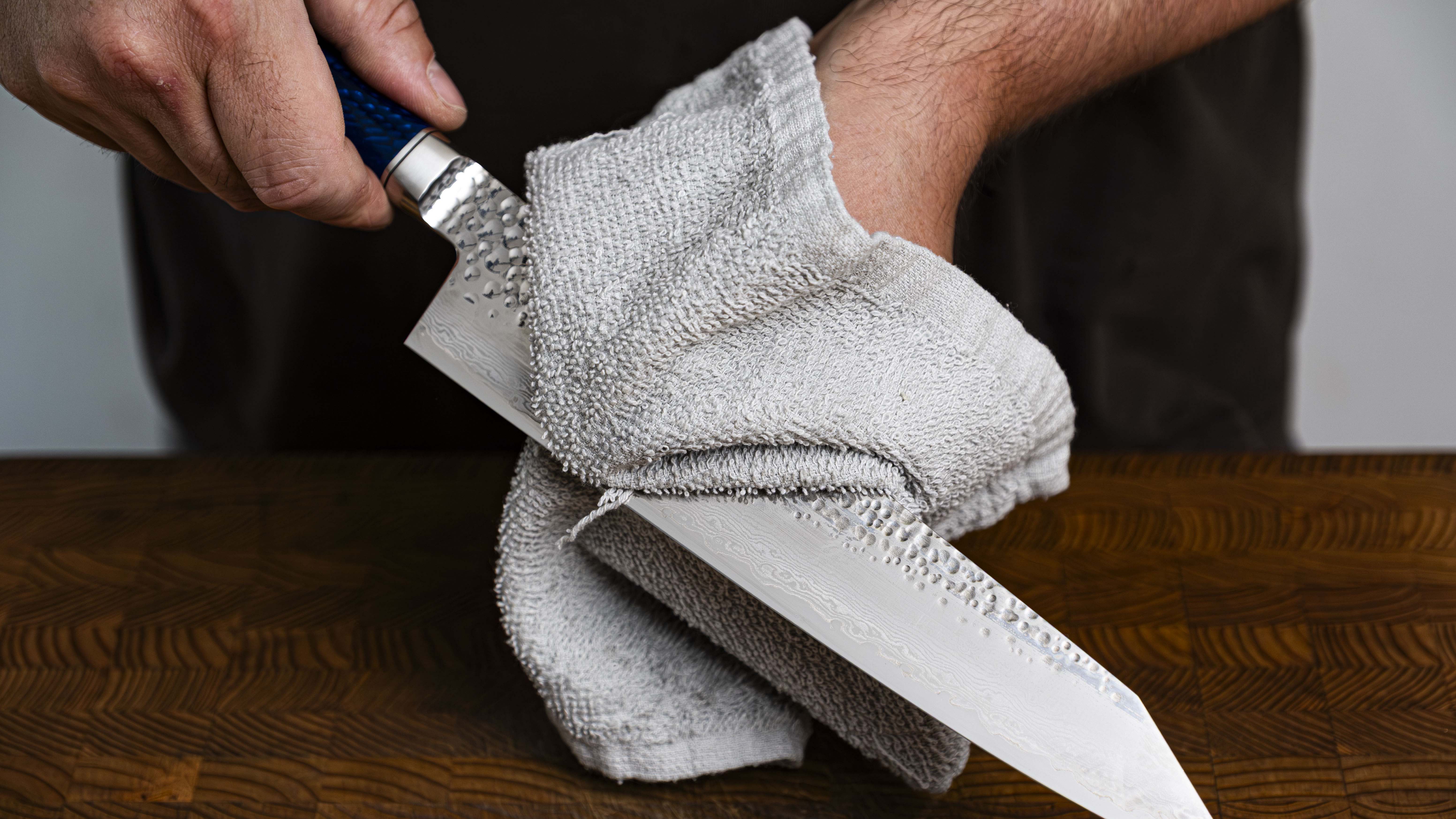
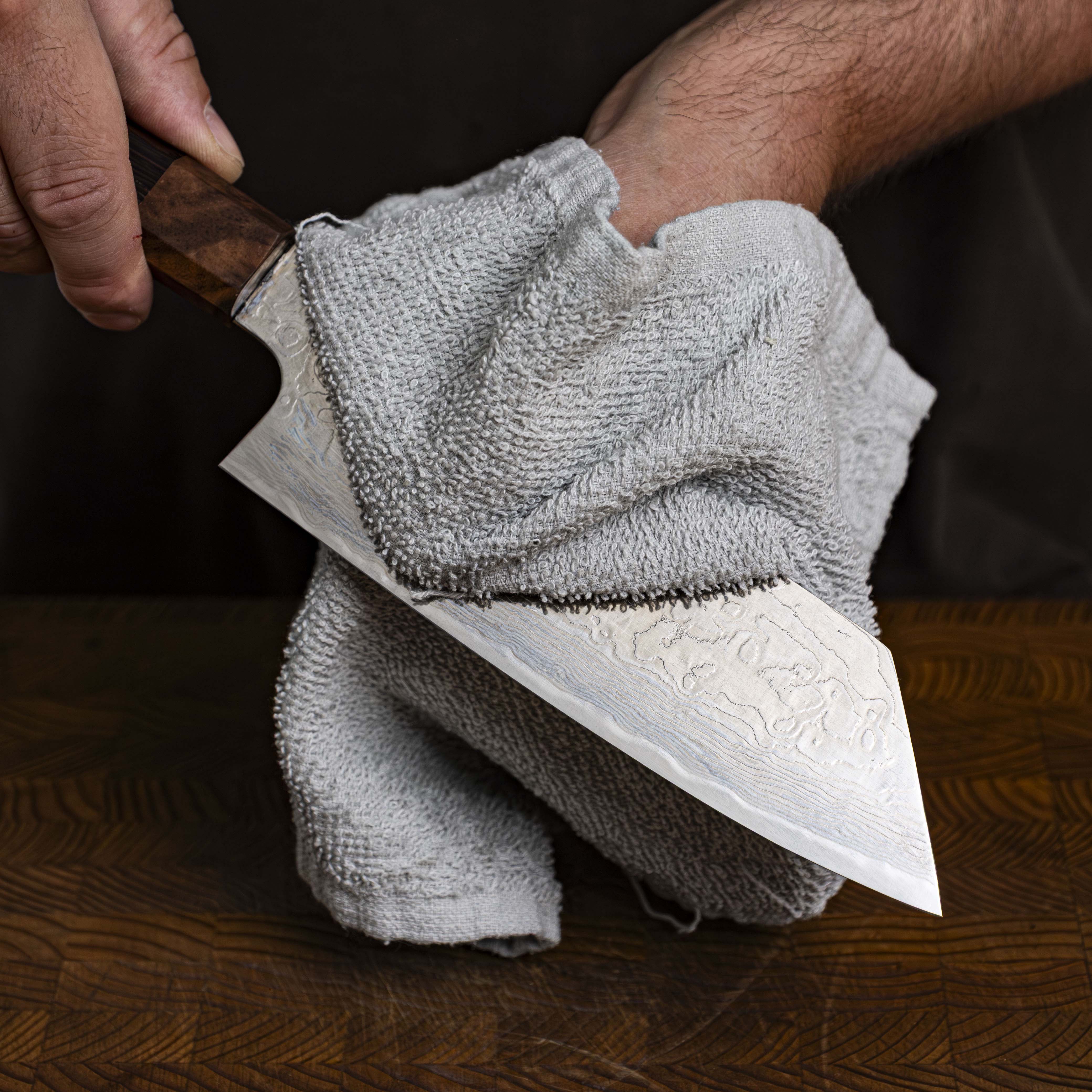
- Simply wipe the knife with a damp cloth immediately after use.
- Wash with regular dish soap and warm water using a none abrasive sponge or cloth.
- Never put your knife in the dishwasher! The extreme heat will ruin the wooden handle.
- Highly acidic ingredients (Onions, Tomatoes, Citrus) Will cause rust and oxidation to happen faster, thus the user must ensure the knife is wiped clean immediately after working with such an ingredient.
- Should any rust form it can be removed using a rust eraser or a mixture of Baking soda and water to simply scrub it clean.
- Avoid Bones, Frozen foods, nuts and hard candies or anything other than fruits, vegetables and proteins.